






Men’s mental health matters. In a society that often prioritizes physical strength and emotional resilience, it’s essential to break the stigma surrounding men’s mental well-being. Understanding the unique challenges faced by men, encouraging open conversations, and providing support systems are crucial steps towards promoting mental wellness among men. By exploring the impact of traditional masculinity on mental health and advocating for a shift in societal perspectives, we can create a more inclusive and supportive environment for men.
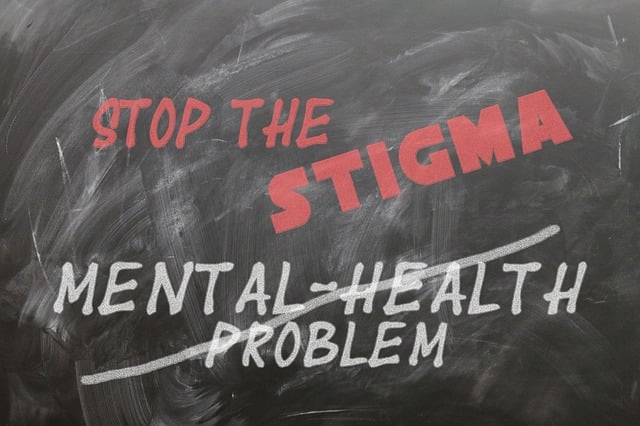
Understanding the Unique Challenges Faced by Men
Men face specific challenges when it comes to their mental health. Societal expectations often discourage men from expressing vulnerability or seeking help for their emotional well-being. This can lead to feelings of isolation and can prevent men from reaching out for support when they need it the most.
Some unique challenges that men may face include:
- Pressure to conform to traditional masculine norms
- Fear of being perceived as weak or vulnerable
- Limited emotional vocabulary and communication skills
- Reluctance to seek help due to stigma and shame
Recognizing these challenges is the first step towards creating a supportive environment where men feel comfortable discussing their mental health.
The Untold Stories: Men Opening Up About Mental Health

Breaking the silence surrounding men’s mental health is crucial for destigmatizing the issue. In recent years, more men have been opening up about their struggles and sharing their experiences, helping to challenge the perception that mental health is solely a women’s issue.
By sharing their stories, men not only seek support for themselves but also inspire others to do the same. It’s important to create safe spaces where men can openly discuss their mental health without fear of judgment or ridicule.
Exploring the Impact of Traditional Masculinity on Mental Well-being
Traditional masculinity norms can have a significant impact on men’s mental health. The expectation to be strong, independent, and in control can create pressure and lead to the suppression of emotions. This can result in increased stress, anxiety, and depression.
It’s essential to challenge traditional gender roles and promote healthier expressions of masculinity. Encouraging emotional intelligence, empathy, and open communication can help men develop healthier coping mechanism and improve their overall well-being.
The Role of Support Systems in Men’s Mental Health
Support systems play a crucial role in men’s mental health. Having a network of friends, family, and professionals who understand and validate their experiences can make a significant difference in their well-being.
Support systems can provide:
- Emotional support and understanding
- Encouragement to seek help when needed
- Opportunities for open and honest conversations
- Resources and information on mental health
Building strong support systems is essential for men to navigate their mental health journey successfully.
Strategies for Promoting Mental Wellness Among Men
There are several strategies that can be implemented to promote mental wellness among men:
- 1. Encourage open conversations: Creating safe spaces for men to discuss their mental health without judgment or stigma.
- 2. Increase awareness: Educating men about mental health, its importance, and available resources.
- 3. Challenge traditional gender roles: Promoting healthier expressions of masculinity that encourage emotional well-being and self-care.
- 4. Provide accessible mental health services: Ensuring that men have easy access to professional help when needed.
Shifting Societal Perspectives: Advocating for Men’s Mental Health

Advocacy plays a vital role in breaking the stigma surrounding men’s mental health. By challenging societal norms and promoting inclusivity, we can create an environment where men feel safe and supported in seeking help.
Some ways to advocate for men’s mental health include:
- Raising awareness through campaigns and social media
- Supporting organizations that focus on men’s mental health
- Encouraging policy changes that prioritize mental health support for men
- Engaging in open conversations and challenging stereotypes
Frequently Asked Questions about men’s mental health matters
Q: What are some common mental health issues faced by men?
A: Men can experience a range of mental health issues, including depression, anxiety, substance abuse, and suicide. It’s important to seek help if you or someone you know is struggling.
Q: How can I support a man who is reluctant to seek help for his mental health?
A: Be patient and understanding. Encourage open conversations and provide resources and information on available support services. Let him know that seeking help is a sign of strength.
Q: Are there specific mental health challenges faced by marginalized communities of men?
A: Yes, marginalized communities of men may face additional challenges due to factors such as discrimination, stigma, and limited access to resources. It’s important to address these intersecting issues when advocating for men’s mental health.
Expert Advice on men’s mental health matters
Seeking expert advice is always beneficial when it comes to mental health matters. Professionals can provide personalized guidance and support based on individual needs. If you or someone you know is struggling with mental health, consider reaching out to a mental health professional for assistance.