




Medicinal mindfulness is a powerful practice that can lead to healing and self-discovery. This holistic approach combines mindfulness techniques with the therapeutic benefits of plant medicine to promote mental and emotional well-being.

Understanding the Power of Medicinal Mindfulness
Medicinal mindfulness is a practice that involves the intentional use of plant medicine to enhance the benefits of mindfulness meditation. By combining the ancient wisdom of plants with the practice of mindfulness, individuals can access deeper levels of self-awareness and healing.
This powerful combination allows individuals to explore their inner landscapes and gain insights into their thoughts, emotions, and patterns of behavior. It can help individuals uncover underlying causes of stress, anxiety, and other mental health issues, leading to a greater sense of peace and well-being.
How Medicinal Mindfulness is Revolutionizing Mental Health
Medicinal mindfulness is revolutionizing the field of mental health by offering a unique and effective approach to healing. Traditional methods of therapy often focus solely on talk therapy, while medicinal mindfulness combines the benefits of plant medicine with mindfulness practices to create a more holistic and transformative experience.
Through the use of plant medicine, individuals can access altered states of consciousness that allow for deep healing and self-exploration. This can be particularly beneficial for individuals suffering from trauma, depression, anxiety, and addiction. Medicinal mindfulness provides a safe and supportive environment for individuals to process and integrate their experiences, leading to lasting healing and transformation.
Exploring Different Types of Medicinal Mindfulness Practices
There are various types of medicinal mindfulness practices that individuals can explore. Some of the most popular ones include:
- Plant Medicine Ceremonies: These ceremonies involve the intentional use of plant medicine, such as ayahuasca or psilocybin mushrooms, in a controlled and ceremonial setting. This allows individuals to access deep states of consciousness and receive guidance and healing from the plants.
- Mindful Cannabis Use: Cannabis can be used mindfully to enhance the practice of mindfulness meditation. By using cannabis in a conscious and intentional way, individuals can deepen their meditation practice and gain insights into their inner world.
- Sound Healing: Sound healing involves the use of various instruments, such as singing bowls or drums, to induce a meditative state and promote healing. Combining sound healing with mindfulness can enhance the overall experience and facilitate deeper levels of relaxation and self-awareness.
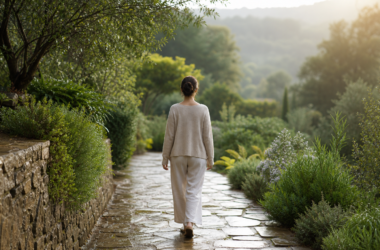
- Nature Immersion: Spending time in nature can be a powerful way to connect with oneself and cultivate mindfulness. Engaging in activities such as forest bathing or mindful hiking can help individuals experience a sense of peace and harmony with the natural world.
The Science Behind Medicinal Mindfulness: How It Works
While the science behind medicinal mindfulness is still emerging, initial research suggests that this practice can have profound effects on mental health and well-being. Plant medicines, such as ayahuasca and psilocybin mushrooms
, have been shown to have therapeutic potential in treating depression, anxiety, and addiction.
These substances work by interacting with the brain’s serotonin receptors, which are involved in regulating mood and emotions. By modulating serotonin levels, plant medicines can help individuals break free from negative thought patterns and gain new perspectives on their lives.
In addition to the chemical effects of plant medicine, the practice of mindfulness itself has been extensively studied and proven to have numerous benefits for mental health. Mindfulness meditation has been shown to reduce stress, improve focus and attention, and increase overall well-being.
Benefits of Incorporating Medicinal Mindfulness into Your Wellness Routine
There are numerous benefits to incorporating medicinal mindfulness into your wellness routine. Some of the key benefits include:
- Increased self-awareness and self-discovery
- Reduced stress and anxiety
- Enhanced emotional well-being
- Improved mood and overall outlook on life
- Greater sense of connection and purpose
- Increased empathy and compassion
- Enhanced creativity and problem-solving abilities
- Improved relationships and communication skills

Guidelines for Practicing Medicinal Mindfulness Safely and Responsibly
While medicinal mindfulness can be a powerful tool for healing and self-discovery, it is important to approach this practice with caution and responsibility. Here are some guidelines to keep in mind:
- Seek guidance from experienced practitioners who can provide a safe and supportive environment.
- Do thorough research and choose plant medicines that are legal and reputable.
- Start with low doses and gradually increase as needed.
- Set intentions and create a sacred space for your medicinal mindfulness practice.
- Integrate your experiences through journaling, artwork, or discussions with trusted friends or therapists.
- Take breaks between sessions to allow for integration and reflection.
- Practice self-care and prioritize your well-being during and after medicinal mindfulness experiences.
Frequently Asked Questions about Medicinal Mindfulness
Q: Is medicinal mindfulness safe?
A: When practiced responsibly and under the guidance of experienced practitioners, medicinal mindfulness can be safe. It is important to choose reputable sources for plant medicine and ensure that you are in a supportive and controlled environment during your experiences.
Q: Can medicinal mindfulness cure mental health issues?
A: While medicinal mindfulness can be a powerful tool for healing, it is not a cure-all for mental health issues. It should be used as a complementary therapy alongside other forms of treatment, such as therapy and medication, if necessary.
Q: How often should I practice medicinal mindfulness?
A: The frequency of your medicinal mindfulness practice will depend on your individual needs and preferences. Some individuals may choose to participate in plant medicine ceremonies a few times a year, while others may incorporate mindful cannabis use into their daily meditation practice. Listen to your intuition and take breaks as needed for integration and self-care.
Expert Advice on Medicinal Mindfulness
For expert advice on medicinal mindfulness, we turned to Dr. Sarah Thompson, a renowned psychologist and mindfulness expert. According to Dr. Thompson, “Medicinal mindfulness can be a transformative practice for those seeking deep healing and self-discovery. It is important to approach this practice with intention, respect, and responsible guidance to ensure a safe and beneficial experience.”
She recommends seeking out experienced practitioners who can provide a supportive and controlled environment for your medicinal mindfulness experiences. Additionally, integrating your experiences through journaling, artwork, or discussions with trusted individuals can help solidify the insights and healing gained from this practice.
Remember to prioritize self-care and listen to your intuition throughout your medicinal mindfulness journey. With responsible practice and guidance, this powerful combination of mindfulness and plant medicine can lead to profound healing and self-transformation.