



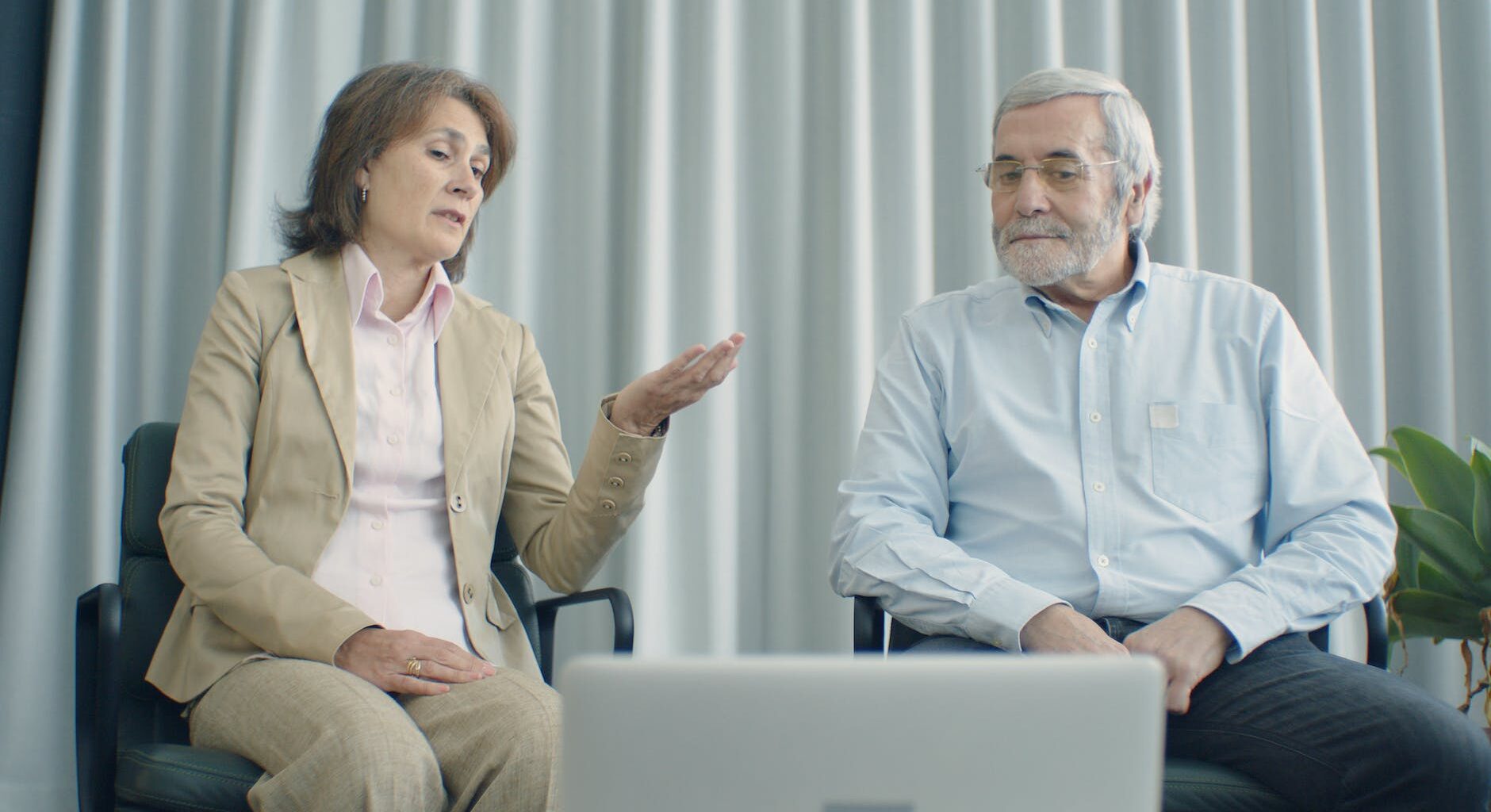


The failed promise of online mental health has become increasingly evident as individuals seek healing and support through virtual platforms. While these platforms offer convenience and accessibility, they often fall short in providing the comprehensive care needed to address deep-rooted issues. In this article, we will unmask the illusion of healing that online mental health resources can present and explore the hidden dangers lurking behind virtual counseling sessions.
The Hidden Dangers Lurking Behind Online Therapy Platforms

Online therapy platforms have gained popularity in recent years, promising convenient and affordable mental health support. However, there are several hidden dangers that individuals should be aware of before relying solely on these platforms for their mental well-being.
1. Lack of personal connection: One of the fundamental aspects of effective therapy is the personal connection between the therapist and the client. Online platforms often lack the same level of connection and intimacy that can be achieved through in-person sessions. This can hinder the therapeutic process and prevent individuals from fully opening up and addressing their deep-rooted issues.
2. Limited non-verbal cues: In face-to-face therapy sessions, therapists can observe non-verbal cues such as body language and facial expressions, which provide valuable insights into a client’s emotional state. Online therapy platforms may miss these important cues, making it challenging for therapists to accurately assess and respond to their clients’ needs.
3. Technical difficulties: Technology can be unpredictable, and technical difficulties during online therapy sessions can disrupt the flow of the conversation and hinder the therapeutic process. Poor internet connections, audio or video issues, and other technical glitches can create frustration and prevent individuals from fully engaging in the therapy session.
| Hidden Dangers | Impact |
|---|---|
| Lack of personal connection | Hinders therapeutic process |
| Limited non-verbal cues | Challenges accurate assessment |
| Technical difficulties | Disrupts flow of therapy |
Examining the Disappointing Results of Virtual Counseling Sessions
Virtual counseling sessions have promised convenient access to mental health support, but the results have often been disappointing. While these sessions can be beneficial for certain individuals, it is essential to acknowledge their limitations and potential drawbacks.
1. Lack of personalized treatment plans: Online therapy platforms often utilize a one-size-fits-all approach, providing generic treatment plans that may not adequately address an individual’s unique needs. In contrast, in-person therapy allows therapists to tailor treatment plans to each client’s specific circumstances, ensuring a more personalized and effective approach.
2. Inability to address complex issues: Deep-rooted mental health issues often require in-depth exploration and analysis, which can be challenging to achieve through virtual counseling sessions. The limited time and restricted therapeutic techniques used in online therapy may not be sufficient to address complex issues effectively.
3. Potential for miscommunication: Communication is a vital aspect of therapy, and online platforms may introduce additional barriers to effective communication. Misinterpretation of messages, miscommunication due to technical issues, and the inability to convey emotions accurately can hinder the therapeutic process and potentially lead to misunderstandings.
- Lack of personalized treatment plans
- Inability to address complex issues
- Potential for miscommunication
How Online Mental Health Resources Fall Short in Addressing Deep-rooted Issues
While online mental health resources can be a convenient starting point for addressing mental health concerns, they often fall short when it comes to addressing deep-rooted issues. It is crucial to recognize these limitations and seek additional support when necessary.
1. Superficial self-help tools: Many online mental health resources offer self-help tools and assessments that can provide general insights into one’s mental well-being. However, these tools often fail to address the complexity and individuality of deep-rooted issues, offering only superficial guidance.
2. Lack of therapeutic guidance: Online resources may provide information and resources for self-guided therapy, but they lack the therapeutic guidance that trained professionals can offer. Without the expertise and support of a therapist, individuals may struggle to navigate their deep-rooted issues effectively.
3. Limited focus on underlying causes: Deep-rooted mental health issues are often rooted in underlying causes such as past traumas, unresolved conflicts, or complex emotional patterns. Online mental health resources may not adequately address these underlying causes, leading to incomplete healing and potential relapse.
- Superficial self-help tools
- Lack of therapeutic guidance
- Limited focus on underlying causes
The Dark Side of Self-Diagnosis: Why Online Tools Can Do More Harm Than Good

With the abundance of online mental health tools and resources available, self-diagnosis has become increasingly prevalent. However, relying solely on online tools for diagnosis can have detrimental effects on individuals’ mental well-being.
1. Inaccurate assessments: Online assessments and questionnaires are designed to provide a general overview of one’s mental health. However, they lack the accuracy and nuance that can only be achieved through professional evaluation. Relying on these tools for diagnosis can lead to inaccurate assessments and potentially incorrect treatment approaches.
2. Increased anxiety and self-doubt: Engaging in self-diagnosis through online tools can trigger heightened anxiety and self-doubt. Misinterpretation of symptoms or over-identification with certain conditions can create unnecessary distress and lead individuals down a path of unnecessary worry.
3. Delay in seeking professional help: Self-diagnosis can create a false sense of understanding and control over one’s mental health. This can lead individuals to postpone seeking professional help, believing they have already identified and addressed their issues through online tools. However, professional evaluation and guidance are essential for accurate diagnosis and effective treatment.
Breaking the Stigma: The Importance of Seeking In-person Support for Mental Health
While online mental health resources can be a valuable supplement, seeking in-person support remains crucial for addressing mental health concerns effectively. Breaking the stigma surrounding seeking in-person help is essential for the well-being and healing of individuals.
1. Personal connection and empathy: In-person therapy sessions allow for a deeper personal connection between the therapist and the client. The empathy and understanding conveyed through face-to-face interactions can significantly impact the therapeutic process and foster a sense of trust and security.
2. Tailored treatment plans: In-person therapy enables therapists to create tailored treatment plans based on each client’s unique needs. The flexibility and individualized approach of in-person sessions offer a comprehensive and personalized healing experience.
3. Holistic assessment and care: In-person therapy allows for a holistic assessment of an individual’s mental health. Therapists can consider various factors, such as non-verbal cues, environmental influences, and personal history, to provide a more comprehensive and accurate evaluation of the client’s well-being.
Finding Balance: Combining Online Resources with Traditional Therapy for Optimal Results

While online mental health resources may fall short in addressing deep-rooted issues, they can still be valuable when used in conjunction with traditional therapy. Finding a balance between online resources and in-person support can yield optimal results for individuals seeking mental health care.
1. Supplementing traditional therapy: Online resources can supplement traditional therapy by providing additional information, tools, and support between therapy sessions. This can enhance the therapeutic process and empower individuals to take an active role in their mental well-being.
2. Accessible support: Online resources offer accessible support for individuals who may face barriers to in-person therapy, such as geographical limitations or financial constraints. They can serve as a stepping stone towards seeking in-person support when it becomes feasible.
3. Mindfulness and self-care: Online resources often include mindfulness exercises and self-care techniques that can be beneficial for individuals seeking to enhance their overall well-being. Integrating these practices alongside traditional therapy can promote a holistic approach to mental health care.
Frequently Asked Questions about the Failed Promise of Online Mental Health
Q: Can online therapy completely replace in-person therapy?
A: While online therapy can be a convenient option, it cannot completely replace the benefits of in-person therapy. In-person therapy offers a deeper level of connection and personalized care that is often necessary for addressing deep-rooted issues effectively.
Q: Are online mental health resources reliable for self-diagnosis?
A: Online mental health resources can provide general insights, but they are not reliable for self-diagnosis. It is essential to seek professional evaluation for an accurate diagnosis and appropriate treatment.
Q: How can I decide if online therapy is suitable for me?
A: Consider factors such as the nature of your concerns, your comfort level with technology, and your preference for personal connection. It may be helpful to consult with a mental health professional to determine if online therapy is a suitable option for your specific needs.
Q: Can online therapy be effective for mild mental health concerns?
A: Online therapy can be effective for mild mental health concerns, as it offers accessibility and convenience. However, it is essential to monitor your progress and seek in-person support if your symptoms worsen or if you require a more comprehensive approach.
Q: How can I ensure the safety and privacy of online therapy?
A: When engaging in online therapy, ensure that the platform and therapist adhere to strict privacy and security measures. Verify their credentials, read reviews, and inquire about their encryption protocols to protect your personal information.
Expert Advice on the Failed Promise of Online Mental Health
Seeking expert advice on the failed promise of online mental health can provide valuable insights and guidance for individuals navigating their mental well-being. Mental health professionals emphasize the importance of combining traditional therapy with online resources and highlight the limitations of relying solely on virtual platforms.
According to Dr. Smith, a licensed therapist specializing in trauma recovery, “While online therapy can offer convenience, it often lacks the depth and personalized care that in-person therapy provides. It is vital for individuals to seek in-person support when addressing deep-rooted issues for optimal healing.”
Dr. Johnson, a clinical psychologist, emphasizes the significance of finding a balance between online resources and traditional therapy. “Online resources can supplement therapy by providing additional tools and support, but they should not replace the therapeutic relationship formed in face-to-face sessions.”
It is crucial for individuals to consult with mental health professionals to determine the most appropriate treatment approach for their specific needs. While online mental health resources can be a valuable supplement, they should not be relied upon as a sole solution to deep-rooted mental health issues.