




Yesterday we talked about guilt and moments of happiness. Today we consider a different choice: whether and how to remember someone.
What would you want someone to know about the person you remember? It might be a story you’d tell all the time; a little detail only you noticed; or something you wouldn’t want to tell anyone at all.
Remembering may feel comforting, painful, complicated, or different from one day to another. You don’t have to make something beautiful out of every loss.
Start with what belongs to the relationship.
A ceremony can bring people together to remember. So can a conversation about the rather ordinary things someone said or did. You can also keep a detail to yourself. It doesn’t need an audience to matter.
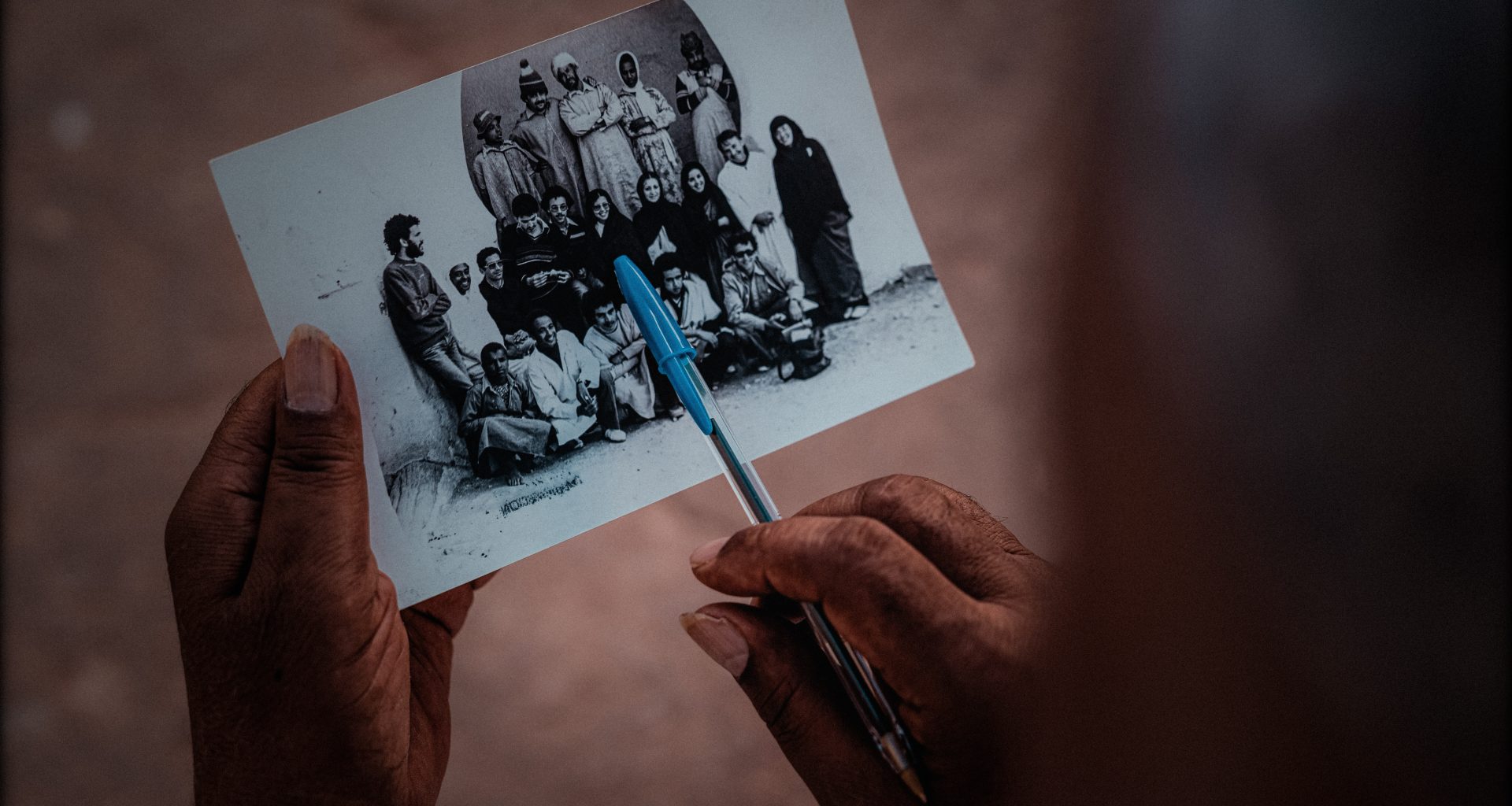
If you’re keeping something, ask yourself why. A small object may be the key to a particular story. A photograph may take you back to a time you shared. You don’t need to keep every item to prove the relationship was significant. Decisions about what to keep can involve other people, legalities, and practicalities. If you’re not sure what to do, seek local advice.
Perhaps the object cannot stay with you. A photograph, with the owner’s permission, or a few written details may help you remember it. You can also decide not to make a record.
A recipe can bring back the person who taught you to make it. You could share a copy with someone who enjoyed those meals, or keep it where it is.
A birthday or a date only the two of you knew about can bring that person to mind. You might spend it with others, jot down a memory, or let it pass quietly. Child Bereavement UK encourages adults to ask children which dates matter to them and what they want to do. A child’s idea deserves to be heard, even if an adult needs to explain what is possible.
You can share a memory without making it public.
If you’re telling a story, then think about who you’d like to tell it to. You might say, “Would you like to hear something I remember about her?” That gives the other person the option of yes, no, or another time.
You do not have to prepare a formal tribute. A short story about a person’s habits or how they taught you something can give others a glimpse of who they were. There is room for details as well as the bigger milestones.
Other people may remember the same individual completely differently. You don’t have to discount your own version of events just because you’re listening to someone else’s. If a relationship was unsafe or difficult, you can keep boundaries around what you share and with whom.
When your time together was brief
Some people enter our lives briefly and still matter. A teacher, neighbor, or recent friend can leave a memory worth keeping.
You may hear stories from parts of their life you never saw. Your account doesn’t have to cover those years; it can begin with what you knew.
Remembering across generations and beliefs
Families and communities have all sorts of different practices around death and remembrance. Some are religious, some aren’t. A person’s place within those traditions can be complicated, and no single example of practice represents the whole culture.
A trusted adult can ask a child what feels right. Perhaps the child would like to draw. Perhaps they would rather hear a story or do neither. The adult can decide which details are appropriate to share.
Child Bereavement UK offers guidance for adults.
If the relatives want different things from the gathering, the first question is what each person can actually do. What should be private? Where safety and consent permit, of course, a sensible discussion can open the door to more than one answer.
When remembering is difficult.
Not every object or story will be comforting. Some will have unresolved questions, some will be full of conflict, and some will be a very distressing account of a death. You don’t have to go through a box or a gathering just because you’re ‘supposed to’. If the memories are distressing, or you want support in deciding what to do, a properly qualified local professional or a bereavement service can help.
If you’re in any immediate danger or at risk of harming yourself, then get in touch with local emergency services or with a trusted person who can stay with you and help you to get the urgent assistance you need. A child or young person can tell a trusted adult straight away.
You can leave a memory unspoken today and come back to it later. It’s yours to carry in the way that is right for you.
Tomorrow we will close the week by asking how a relationship can remain part of a life that keeps changing.
Your note in my hand
AVERSTANCE
I hear your voice in each word
I read it once more