






Self-compassion is a powerful tool for personal growth and mental well-being. It involves treating ourselves with kindness, understanding, and acceptance, especially during difficult times. One effective way to cultivate self-compassion is by starting a self-compassion journal. In this ultimate guide, we will explore why self-compassion is crucial, how a self-compassion journal can boost your mental health, step-by-step instructions for creating your journal, prompts and exercises to cultivate self-compassion, the science behind self-compassion and its benefits, tips for maintaining consistency with your journal, and expert advice on self-compassion journaling.
Why Self-Compassion is Crucial for Personal Growth
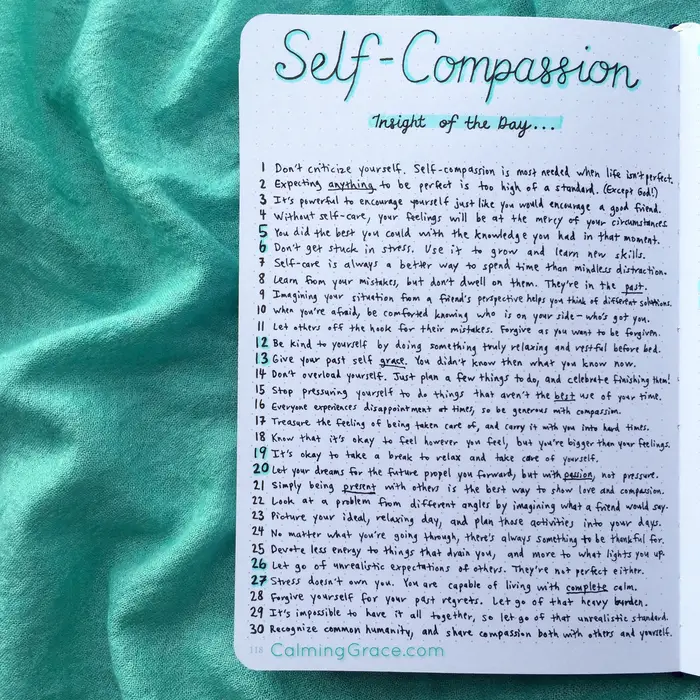
Self-compassion is crucial for personal growth because it allows us to acknowledge and validate our emotions and experiences, without judgment or criticism. It helps us cultivate a positive and supportive relationship with ourselves, which is essential for overall well-being. By practicing self-compassion, we can enhance our self-esteem, reduce stress and anxiety, and develop resilience in the face of challenges.
When we treat ourselves with compassion, we are more likely to learn from our mistakes, take risks, and pursue personal goals. Self-compassion also enables us to have healthier relationships with others, as we are better able to understand and empathize with their experiences.
How a Self-Compassion Journal Can Boost Your Mental Health
A self-compassion journal can be a valuable tool for boosting your mental health. It provides a safe space to explore and express your thoughts, emotions, and experiences in a non-judgmental way. By regularly writing in your journal, you can:
- Gain clarity and insight into your inner world
- Release pent-up emotions and reduce stress
- Identify negative self-talk and replace it with self-compassionate thoughts
- Track your progress and celebrate your achievements
- Cultivate gratitude and positive emotions
- Develop self-awareness and self-acceptance
Through the act of journaling, you can develop a deeper understanding of yourself and cultivate self-compassion in your daily life.
Step-by-Step: Creating Your Self-Compassion Journal
Creating a self-compassion journal is a simple and personal process. Follow these steps to get started:
- Choose a journal or notebook that resonates with you. It can be plain or decorative, lined or blank, whichever feels most inviting.
- Dedicate a quiet and comfortable space for journaling. Create an environment that promotes relaxation and reflection.
- Set aside regular time for journaling. Consistency is key to developing a journaling habit.
- Begin each journaling session with a deep breath and a moment of mindfulness. Center yourself and focus on the present moment.
- Write the date and start with a self-compassionate affirmation or intention. For example, “I am deserving of love and kindness.”
- Reflect on your day or a specific event, and write about your thoughts, emotions, and reactions. Be honest and non-judgmental.
- Use prompts or exercises to explore self-compassion further (discussed in the next section).
- End each entry by acknowledging your efforts and offering yourself words of encouragement and self-compassion.
Remember, there is no right or wrong way to journal. It is a personal practice, and you can adapt it to suit your needs and preferences.
Prompts and Exercises to Cultivate Self-Compassion

Journaling prompts and exercises can help you deepen your self-compassion practice. Here are some ideas to get you started:
- 1. Self-Compassionate Letter: Write a letter to yourself, expressing love, understanding, and support. Imagine you are writing to a dear friend who is going through a challenging time.
- 2. Gratitude List: Reflect on things you are grateful for in your life. Write down at least three things each day and explore why they bring you joy or appreciation.
- 3. Self-Reflection: Set aside time to reflect on your thoughts, emotions, and behaviors. Write about a recent experience and explore it from a self-compassionate perspective.
- 4. Affirmations: Create a list of self-compassionate affirmations that resonate with you. Repeat them daily and write about how they make you feel.
- 5. Mindful Observation: Take a few minutes to observe your surroundings mindfully. Write about what you notice and how it makes you feel.
Feel free to adapt these prompts or create your own. The goal is to foster self-compassion and self-awareness through writing.
The Science Behind Self-Compassion and its Benefits
Self-compassion is not just a feel-good concept; it has been extensively studied and proven to have numerous benefits for our well-being. Research shows that self-compassionate individuals experience:
- Reduced levels of stress, anxiety, and depression
- Increased resilience and coping skills
- Better emotional regulation and self-control
- Improved overall mental health and life satisfaction
- Greater motivation and self-confidence
- Enhanced relationships and social connectedness
Self-compassion activates the brain’s “care system,” releasing oxytocin and promoting feelings of safety and warmth. It counteracts the negative effects of self-criticism and fosters self-acceptance and self-care.
Tips for Maintaining Consistency with Your Self-Compassion Journal
Consistency is key when it comes to maintaining a self-compassion journaling practice. Here are some tips to help you stay committed:
- Create a realistic schedule: Choose a time of day that works best for you and commit to journaling during that time consistently.
- Start small: Begin with a manageable goal, such as journaling for five minutes each day. Gradually increase the duration as you develop the habit.
- Hold yourself accountable: Share your journaling goals with a trusted friend or family member who can support and encourage you along the way.
- Make it enjoyable: Personalize your journaling experience by using colorful pens, adding stickers or drawings, or playing calming music in the background.
- Stay curious: Approach journaling with a sense of curiosity and exploration. Use it as an opportunity to learn more about yourself and cultivate self-compassion.
Remember, self-compassion journaling is a journey, and it’s normal to have ups and downs. Be patient with yourself and celebrate every step forward.
Frequently Asked Questions about Self-Compassion Journal
Q: How often should I write in my self-compassion journal?
A: There is no set frequency for journaling. It depends on your personal preferences and availability. However, aim for consistency. Writing in your journal at least a few times a week can yield significant benefits.
Q: Can I use a digital journal for self-compassion journaling?
A: Absolutely! While traditional pen and paper journals have their charm, digital journals offer convenience and accessibility. Choose the format that resonates with you and makes journaling enjoyable.
Q: What if I struggle with self-compassion while journaling?
A: It’s common to face challenges when cultivating self-compassion. If you find it difficult, start with small steps and be patient with yourself. Seek support from a therapist or counselor who can guide you through the process.
Q: Can I combine self-compassion journaling with other self-care practices?
A: Absolutely! Self-compassion journaling can complement other self-care practices such as meditation, mindfulness, or exercise. Find a routine that works for you and supports your overall well-being.
Expert Advice on Self-Compassion Journal
For expert advice on self-compassion journaling, we spoke with Dr. Sarah Johnson, a renowned psychologist specializing in self-compassion and personal growth. According to Dr. Johnson:
“Self-compassion journaling is a powerful tool for cultivating self-acceptance and compassion. It allows individuals to explore their emotions, challenge self-critical thoughts, and develop a kinder relationship with themselves. Consistency and self-compassion are key ingredients for a successful journaling practice.”
Dr. Johnson’s insights highlight the transformative potential of self-compassion journaling in our lives.
Conclusion
In conclusion, starting a self-compassion journal can be a transformative practice for personal growth and mental well-being. By incorporating self-compassion into our daily lives, we can enhance our relationship with ourselves and cultivate resilience, self-acceptance, and joy.