



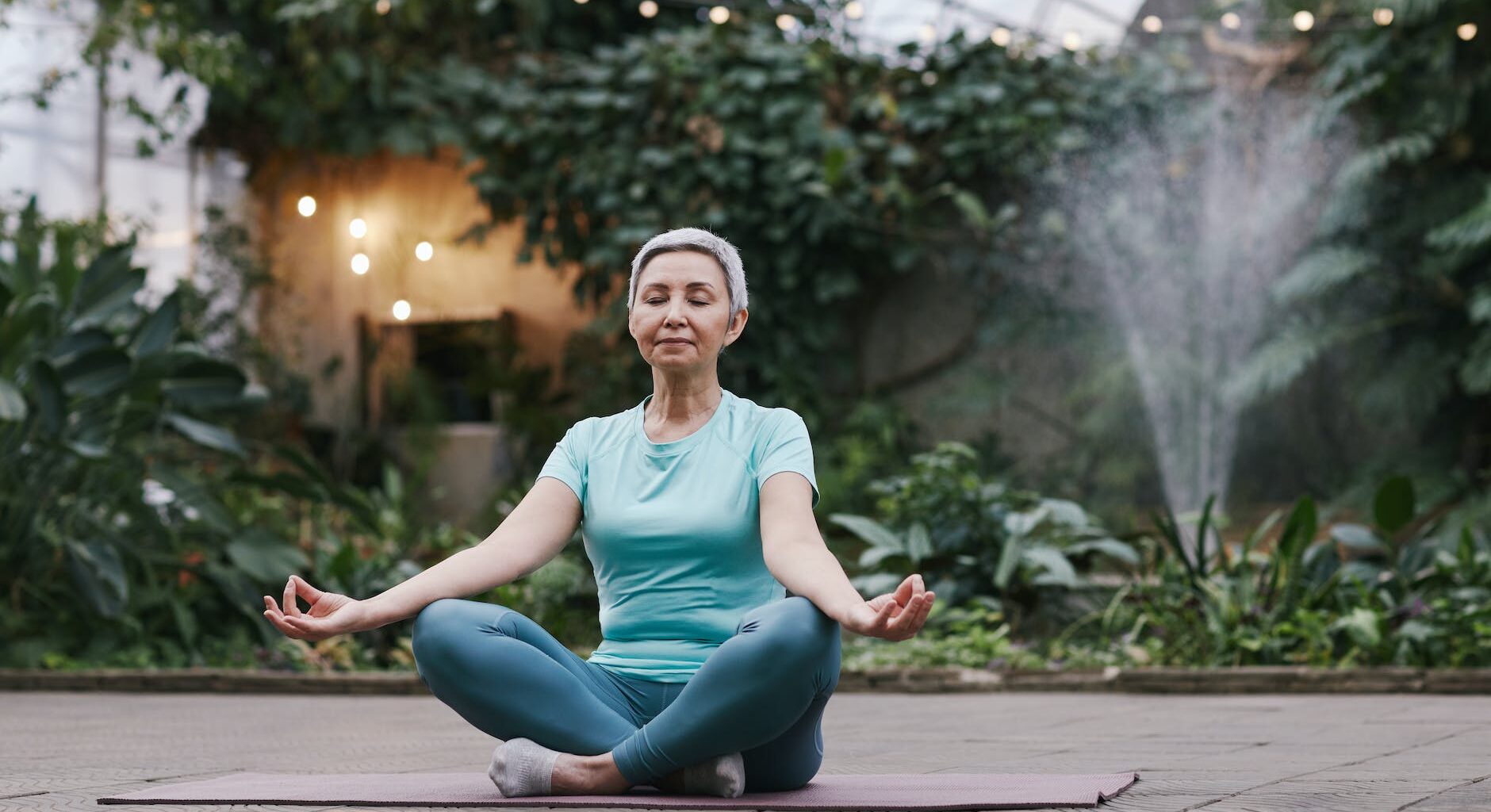


Improve Your Mental Well-being with Mindfulness
Are you looking for ways to cultivate inner peace and improve your mental well-being? Look no further than the power of 5 mindfulness trainings. Mindfulness is a practice that involves paying attention to the present moment with non-judgmental awareness. By incorporating mindfulness into your daily routine, you can experience a more peaceful and fulfilling life.
1. Start your day with a mindfulness practice: Begin your day by setting aside a few minutes for mindfulness meditation. Find a quiet and comfortable spot where you can sit or lie down comfortably. Close your eyes and bring your attention to your breath. Notice the sensation of each inhale and exhale, and let go of any thoughts or distractions. By starting your day with this practice, you can set a positive tone for the rest of your day.
2. Practice mindful eating: Mindful eating is a practice that involves paying attention to the sensory experience of eating. Instead of rushing through your meals, take the time to savor each bite. Notice the colors, textures, and flavors of your food. Chew slowly and mindfully, paying attention to the sensations in your mouth. By practicing mindful eating, you can develop a healthier relationship with food and enhance your overall well-being.
3. Cultivate gratitude through mindfulness:
Gratitude is a powerful practice that can shift your perspective and enhance your well-being. Take a few moments each day to reflect on the things you are grateful for. This could be as simple as appreciating a beautiful sunset or expressing gratitude for the people in your life. By practicing gratitude through mindfulness, you can cultivate a sense of contentment and joy.
4. Practice self-compassion: Self-compassion is the practice of treating yourself with kindness and understanding, especially during challenging times. When you notice self-critical thoughts or judgments arising, bring mindfulness to the present moment and offer yourself compassion. Remind yourself that it is okay to make mistakes and that you are deserving of love and kindness. By practicing self-compassion, you can cultivate a greater sense of self-worth and resilience.
By incorporating these mindfulness practices into your daily routine, you can improve your mental well-being and experience a greater sense of peace and fulfillment.
How to Incorporate Mindfulness into Your Daily Routine

Mindfulness is a practice that can be incorporated into various aspects of your daily routine. Here are some practical tips on how to infuse mindfulness into your daily life:
1. Morning mindfulness: Start your day with a few minutes of mindfulness meditation. Find a quiet space where you can sit or lie down comfortably. Close your eyes and bring your attention to your breath. Notice the sensation of each inhale and exhale, and let go of any thoughts or distractions. By starting your day with mindfulness, you can set a positive tone for the rest of your day.
2. Mindful movement:
Engage in activities that promote mindful movement, such as yoga, tai chi, or walking meditation. Pay attention to the sensations in your body as you move and breathe. Notice the rhythm of your footsteps or the stretch of your muscles. By practicing mindful movement, you can cultivate a greater sense of embodiment and presence.
3. Mindful eating: Instead of rushing through your meals, take the time to savor each bite. Notice the colors, textures, and flavors of your food. Chew slowly and mindfully, paying attention to the sensations in your mouth. By practicing mindful eating, you can develop a healthier relationship with food and enhance your overall well-being.
4. Mindful communication: Practice mindful communication by being fully present and attentive when interacting with others. Put aside distractions, such as your phone or computer, and give your full attention to the person you are speaking with. Listen deeply and respond with kindness and compassion. By practicing mindful communication, you can strengthen your relationships and cultivate deeper connections.
5. Evening reflection:
Take a few moments before bed to reflect on your day. Notice any moments of mindfulness or gratitude that you experienced. Reflect on any challenges or difficulties with a compassionate and non-judgmental attitude. By incorporating evening reflection into your daily routine, you can cultivate a greater sense of self-awareness and personal growth.
By incorporating mindfulness into your daily routine, you can experience a greater sense of presence, peace, and well-being.
Achieve Inner Peace through Mindfulness Meditation
Mindfulness meditation is a powerful practice that can help you achieve inner peace and cultivate a greater sense of well-being. Here are some steps to get started with mindfulness meditation:
1. Find a quiet and comfortable space: Choose a quiet space where you can sit or lie down comfortably without any distractions. This could be a dedicated meditation room or simply a corner of your home where you can create a peaceful atmosphere.
2. Set a timer: Set a timer for your meditation session. Start with a shorter duration, such as 5 or 10 minutes, and gradually increase the length of your sessions as you become more comfortable with the practice.
3. Get into a comfortable posture:
Find a posture that feels comfortable and relaxed for you. You can sit on a cushion, a chair, or lie down on a yoga mat. The important thing is to find a posture that allows you to be alert and at ease.
4. Focus on your breath: Bring your attention to your breath. Notice the sensation of each inhale and exhale. You can choose to focus on the rising and falling of your abdomen or the sensation of air passing through your nostrils. Whenever you notice your mind wandering, gently bring your attention back to your breath.
5. Cultivate non-judgmental awareness: As you practice mindfulness meditation, cultivate a non-judgmental attitude towards your thoughts and emotions. Instead of getting caught up in judgments or evaluations, simply observe your thoughts and emotions as they arise and pass away. Allow them to come and go without getting attached to them.
6. Practice loving-kindness meditation:
In addition to mindfulness meditation, you can also incorporate loving-kindness meditation into your practice. This involves silently repeating phrases of loving-kindness towards yourself and others. For example, you can say phrases such as “May I be happy. May I be healthy. May I live with ease.” Repeat these phrases with genuine intention and extend them to others as well.
By practicing mindfulness meditation on a regular basis, you can cultivate inner peace, reduce stress, and experience a greater sense of well-being.
The Benefits of Practicing Mindfulness Trainings

The practice of mindfulness trainings offers a wide range of benefits for your mental, emotional, and physical well-being. Here are some of the key benefits of incorporating mindfulness trainings into your life:
1. Stress reduction:
Mindfulness trainings can help reduce stress by allowing you to become more aware of your thoughts, emotions, and bodily sensations. By cultivating non-judgmental awareness, you can respond to stressors in a more calm and balanced way.
2. Improved focus and concentration:
Regular mindfulness practice can enhance your ability to focus and concentrate. By training your mind to stay present in the moment, you can become more attentive and engaged in your daily activities.
3. Enhanced emotional well-being:
Mindfulness trainings can help regulate your emotions and improve your overall emotional well-being. By developing a greater awareness of your emotions, you can respond to them with kindness and compassion, rather than being overwhelmed by them.
4. Increased self-awareness:
Mindfulness trainings can cultivate a greater sense of self-awareness, allowing you to become more attuned to your thoughts, emotions, and behaviors. This self-awareness can lead to personal growth and a deeper understanding of yourself.
5. Better decision-making:
By practicing mindfulness, you can enhance your ability to make clear and informed decisions. By cultivating non-reactivity and non-judgment, you can approach decision-making with a calm and balanced mindset.
6. Improved physical health:
Mindfulness trainings have been linked to improved physical health outcomes, such as reduced blood pressure, improved sleep, and enhanced immune function. By reducing stress and promoting relaxation, mindfulness can have a positive impact on your physical well-being.
Incorporating mindfulness trainings into your life can have a profound impact on your overall well-being. Whether you are seeking stress reduction, improved focus, or enhanced emotional well-being, mindfulness trainings can help you cultivate a more peaceful and fulfilling life.
Mindfulness Techniques to Reduce Stress and Anxiety
Are you looking for effective techniques to reduce stress and anxiety in your life? Look no further than the power of mindfulness. Here are some mindfulness techniques that can help you find calm and peace amidst the chaos:
1. Mindful breathing:
One of the simplest and most effective mindfulness techniques is mindful breathing. Take a few moments to focus your attention on your breath. Notice the sensation of each inhale and exhale. If your mind starts to wander, gently bring your attention back to your breath. By focusing on your breath, you can anchor yourself in the present moment and find relief from stress and anxiety.
2. Body scan meditation:
Body scan meditation is a practice that involves systematically bringing your attention to different parts of your body. Start by bringing your attention to your toes and slowly work your way up to the top of your head. Notice any sensations or areas of tension in your body. As you bring your attention to each body part, try to release any tension or tightness you may be holding. By practicing body scan meditation, you can cultivate a greater sense of relaxation and ease.
3. Mindful walking:
Take a break from your daily routine and go for a mindful walk. As you walk, pay attention to the sensations in your feet and legs. Notice the movement of your body and the sounds around you. Engage all your senses in the act of walking. By practicing mindful walking, you can bring a sense of calm and presence to your daily activities.
4. Mindful eating:
Mindful eating is a practice that involves paying full attention to the experience of eating. Instead of rushing through your meals, take the time to savor each bite. Notice the colors, textures, and flavors of your food. Chew slowly and mindfully, paying attention to the sensations in your mouth. By practicing mindful eating, you can bring a sense of mindfulness and enjoyment to your meals.
5. Loving-kindness meditation:
Loving-kindness meditation is a practice that involves directing well-wishes towards yourself and others. Start by silently repeating phrases such as “May I be happy. May I be healthy. May I live with ease.” Then extend these phrases to loved ones, acquaintances, and even difficult people in your life. By practicing loving-kindness meditation, you can cultivate a sense of compassion and connection, which can help alleviate stress and anxiety.
By incorporating these mindfulness techniques into your daily life, you can reduce stress, alleviate anxiety, and cultivate a greater sense of peace and well-being.
Enhance Your Relationships with Mindfulness Practices
Mindfulness practices can not only benefit your personal well-being but also enhance your relationships with others. Here are some mindfulness practices to help you cultivate deeper connections and enhance your relationships:
1. Active listening:
Practice active listening by giving your full attention to the person you are interacting with. Put aside distractions, such as your phone or computer, and truly listen to what the other person is saying. Maintain eye contact and show genuine interest in their words. By practicing active listening, you can foster a deeper connection and understanding in your relationships.
2. Non-judgmental acceptance:
Cultivate non-judgmental acceptance in your relationships by letting go of judgments and preconceived notions. Instead of reacting with criticism or judgment, practice accepting others as they are. Recognize that everyone has their own unique experiences and perspectives. By practicing non-judgmental acceptance, you can create a safe and supportive space for your relationships to thrive.
3. Expressing gratitude:
Expressing gratitude is a powerful practice that can strengthen your relationships. Take the time to appreciate and acknowledge the people in your life. Express your gratitude through words, gestures, or small acts of kindness. By practicing gratitude, you can foster a sense of connection and appreciation in your relationships.
4. Compassionate communication:
Practice compassionate communication by speaking and responding with kindness and compassion. Choose your words carefully and consider the impact they may have on others. When conflicts arise, approach them with a compassionate and non-defensive attitude. By practicing compassionate communication, you can resolve conflicts and deepen your connections.
5. Mindful presence:
Be fully present in your relationships by giving your full attention to the people you are interacting with. Put aside distractions and be fully engaged in the moment. Show genuine interest and curiosity in the experiences of others. By practicing mindful presence, you can create more meaningful and authentic connections.
By incorporating these mindfulness practices into your relationships, you can enhance your connections, foster a greater sense of understanding, and cultivate deeper relationships.
Frequently Asked Questions about 5 Mindfulness Trainings
Q: What are the 5 mindfulness trainings?
A: The 5 mindfulness trainings are a set of ethical guidelines that are derived from the Buddhist tradition. They provide a framework for living a mindful and compassionate life. The trainings include not killing, not stealing, not engaging in sexual misconduct, not using harmful speech, and not consuming intoxicants.
Q: How can the 5 mindfulness trainings benefit me?
A: The 5 mindfulness trainings can benefit you in various ways. By following these ethical guidelines, you can cultivate greater awareness, compassion, and integrity in your daily life. The trainings can help you develop a deeper sense of connection with yourself and others, reduce harm and suffering, and promote overall well-being.