



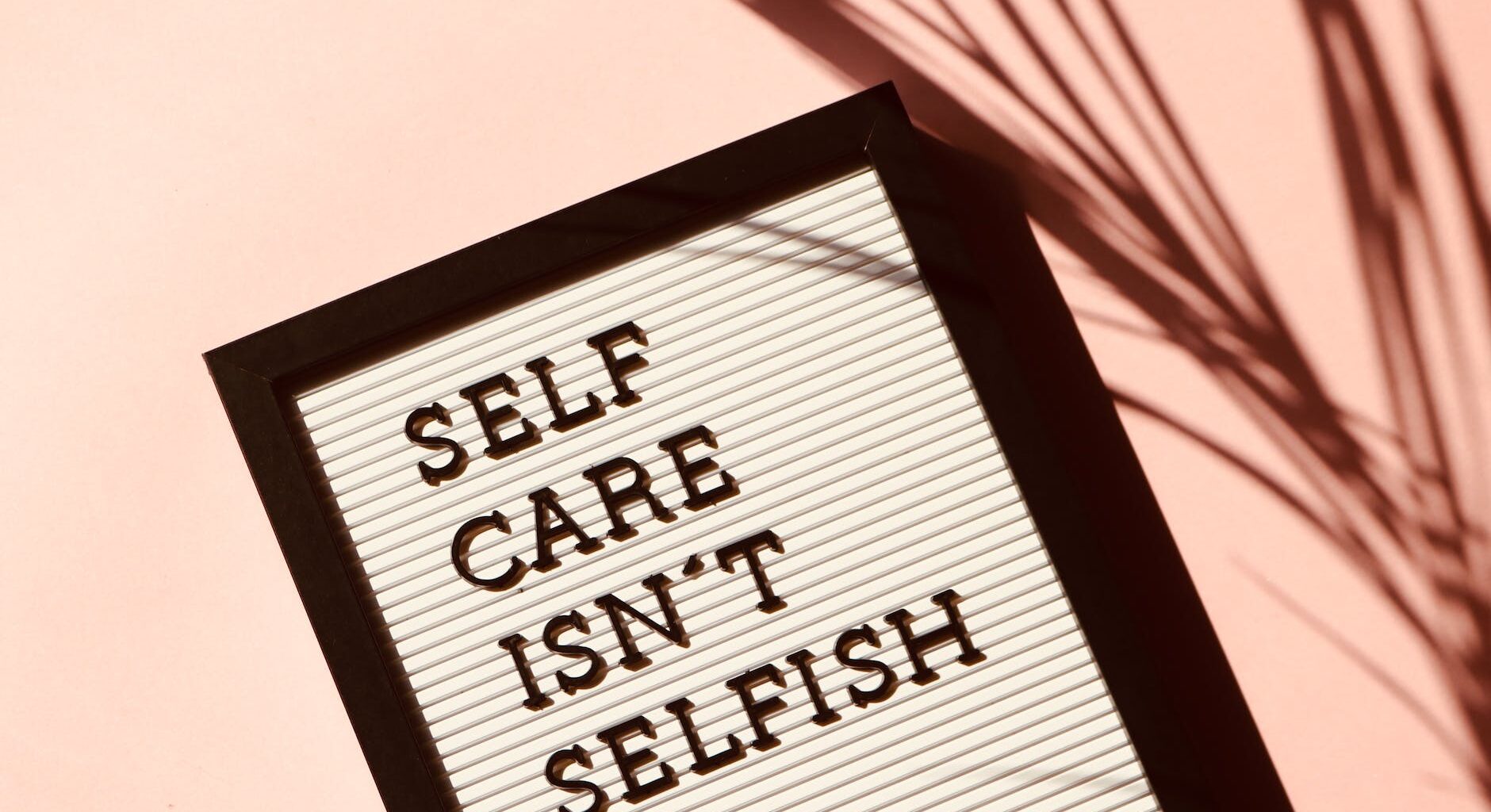


Mental health is a crucial aspect of overall well-being, and it is important to prioritize it in our daily lives. In the hustle and bustle of our fast-paced world, we often forget to take care of our mental health. However, with a few simple reminders, we can boost our well-being and lead a more balanced life. In this article, we will explore 10 mental health reminders that can help improve your overall well-being.
Prioritize Self-Care
Self-care is an essential component of maintaining good mental health. It involves taking deliberate actions to promote your own well-being. Here are a few self-care practices that you can incorporate into your daily routine:
- Get enough sleep: Make sure you prioritize getting enough sleep each night. Lack of sleep can negatively impact your mental health and overall well-being. Create a bedtime routine that promotes relaxation and restful sleep.
- Eat a balanced diet: A healthy diet can significantly impact your mental health. Include plenty of fruits, vegetables, whole grains, and lean proteins in your meals. Avoid excessive consumption of processed foods, sugary snacks, and caffeine.
- Engage in activities you enjoy: Make time for hobbies and activities that bring you joy. Engaging in activities you love can help reduce stress and improve your overall well-being.
- Set boundaries: Learn to say no when necessary and establish healthy boundaries in your personal and professional life. Overcommitting yourself can lead to stress and burnout.
Recognize and Manage Stress

Stress is a normal part of life, but excessive stress can take a toll on your mental health. It is crucial to recognize and manage stress effectively. Here are some strategies to help you cope with stress:
- Practice relaxation techniques: Deep breathing exercises, progressive muscle relaxation, and guided imagery can help calm your mind and reduce stress.
- Manage your time effectively: Prioritize your tasks and create a schedule that allows for breaks and relaxation. Avoid overcommitting yourself and delegate tasks when possible.
- Engage in stress-reducing activities: Find activities that help you unwind and relax, such as listening to music, reading a book, or taking a walk in nature.
- Seek support: Talk to a trusted friend, family member, or therapist about your stressors. Sometimes, sharing your feelings can provide relief and a fresh perspective.
Build a Support Network
A strong support network is essential for maintaining good mental health. Surrounding yourself with supportive and positive individuals can provide comfort and encouragement during challenging times. Here are some ways to build a support network:
- Nurture existing relationships: Cultivate your relationships with friends and family members. Make an effort to stay connected and spend quality time together.
- Join a support group: Consider joining a support group where you can connect with individuals experiencing similar challenges. Sharing your experiences and listening to others can provide a sense of belonging and support.
- Seek professional help: If you are struggling with your mental health, don’t hesitate to seek professional help. A therapist or counselor can provide guidance and support tailored to your specific needs.
Practice Mindfulness and Meditation

Mindfulness and meditation are powerful tools for improving mental health. These practices involve focusing your attention on the present moment and cultivating a non-judgmental awareness. Here are some ways to incorporate mindfulness and meditation into your daily life:
- Start with short meditation sessions: Begin with just a few minutes of meditation each day and gradually increase the duration. Use guided meditation apps or videos to help you get started.
- Practice mindful eating: Pay attention to the taste, texture, and aroma of your food. Eat slowly and savor each bite. Mindful eating can help improve your relationship with food and promote overall well-being.
- Take mindful breaks: Throughout the day, take short breaks to focus on your breath and bring your attention to the present moment. This can help reduce stress and increase mental clarity.
Engage in Regular Physical Activity
Regular physical activity has numerous benefits for mental health. Exercise releases endorphins, which are natural mood boosters. Here are some ways to incorporate physical activity into your routine:
- Find an activity you enjoy: Choose an exercise or physical activity that you genuinely enjoy. It could be dancing, cycling, swimming, or simply going for a walk in the park.
- Set realistic goals: Start with small, achievable goals and gradually increase the intensity and duration of your workouts. Don’t push yourself too hard, and listen to your body.
- Get outdoors: Take advantage of nature and exercise outdoors whenever possible. Spending time in nature has been shown to have a positive impact on mental health.
- Stay consistent: Make physical activity a regular part of your routine. Aim for at least 30 minutes of moderate-intensity exercise most days of the week.
Seek Professional Help When Needed
If you are struggling with your mental health, it is important to seek professional help. Mental health professionals are trained to provide support and guidance tailored to your specific needs. Here are some signs that you may benefit from professional help:
- Persistent feelings of sadness or hopelessness
- Difficulty functioning in daily life
- Thoughts of self-harm or suicide
- Intense anxiety or panic attacks
- Substance abuse issues
Remember, seeking help is a sign of strength, and it can make a significant difference in your well-being.
Frequently Asked Questions about Mental Health Reminders
Q: What are some effective mental health reminders?
A: Some effective mental health reminders include prioritizing self-care, recognizing and managing stress, building a support network, practicing mindfulness and meditation, engaging in regular physical activity, and seeking professional help when needed.
Q: How can self-care improve mental health?
A: Self-care involves taking deliberate actions to promote your own well-being. It can improve mental health by reducing stress, increasing self-esteem, and providing a sense of balance and fulfillment.
Q: How can mindfulness and meditation benefit mental health?
A: Mindfulness and meditation can benefit mental health by reducing stress, increasing self-awareness, improving focus and concentration, and promoting a sense of calm and well-being.
Q: Is seeking professional help necessary for mental health issues?
A: Seeking professional help for mental health issues can be necessary and beneficial. Mental health professionals are trained to provide support, guidance, and evidence-based treatments tailored to your specific needs.
Expert Advice
For expert advice on mental health reminders, we reached out to Dr. Sarah Johnson, a licensed psychologist specializing in mental health and well-being:
“It’s essential to prioritize your mental health in today’s fast-paced world. Incorporating simple reminders into your routine can help improve your overall well-being. Remember to practice self-care, manage stress effectively, build a support network, engage in mindfulness and meditation, participate in regular physical activity, and seek professional help when needed. By taking these steps, you can enhance your mental health and lead a more fulfilling life.”
Remember, mental health reminders are not a one-size-fits-all solution. Everyone’s journey is unique, and it is essential to find what works best for you. Start implementing these reminders into your daily life and observe the positive impact they can have on your mental well-being.