





Scientific American Gaslighting is a disturbing phenomenon that has been taking place within the scientific community. Gaslighting is a psychological manipulation tactic where the perpetrator seeks to sow seeds of doubt in the victim’s mind, making them question their own reality. In the context of Scientific American, this gaslighting behavior has had far-reaching consequences, affecting both the reputation of the publication and the individuals within the scientific community.
Understanding the Dangers of Gaslighting in Scientific American
Gaslighting in Scientific American is a dangerous practice that undermines the integrity of scientific research and knowledge. When gaslighting occurs, it can lead to the distortion or denial of scientific facts, creating confusion and doubt among readers. This manipulation tactic erodes the trust and credibility that Scientific American has built over the years.
Gaslighting often occurs when individuals with personal or financial motives attempt to push their own agenda by manipulating scientific data or cherry-picking information that supports their beliefs. By doing so, they undermine the scientific process and hinder the dissemination of accurate and reliable information to the public.
To address this issue, it is crucial to recognize the signs of gaslighting and the impact it can have on Scientific American and the scientific community as a whole.
The Impact of Gaslighting on Scientific American’s Reputation

The reputation of Scientific American has been significantly impacted by gaslighting. The publication’s credibility relies on its commitment to scientific rigor and integrity. When gaslighting occurs within its pages, it raises doubts about the reliability of the information presented.
Gaslighting undermines the trust that readers have in Scientific American as a reliable source of scientific knowledge. It can tarnish the publication’s reputation, leading to a decline in readership and diminished influence within the scientific community.
Furthermore, gaslighting within Scientific American can have a ripple effect on the wider scientific community. Researchers may hesitate to submit their work to the publication, fearing that their findings may be manipulated or misrepresented. This can hinder scientific progress and collaboration.
Exposing the Manipulative Tactics: Gaslighting in Scientific American
Gaslighting in Scientific American involves various manipulative tactics that distort or deny scientific facts. Some of these tactics include:
- Cherry-picking data: Gaslighting perpetrators selectively choose data that supports their narrative while ignoring or dismissing contradictory evidence.
- Distorting findings: Gaslighters may misrepresent or misinterpret scientific research to fit their agenda, often twisting the original intent of the study.
- Personal attacks: Gaslighters may resort to personal attacks on scientists or researchers whose work contradicts their beliefs, aiming to discredit them rather than engaging in intellectual debate.
- Spreading misinformation: Gaslighters may intentionally spread false information or conspiracy theories, sowing confusion and doubt among readers.
By exposing these manipulative tactics, we can better understand the extent of gaslighting in Scientific American and take steps to combat it.
Fighting Back: How to Recognize and Combat Gaslighting in Scientific American
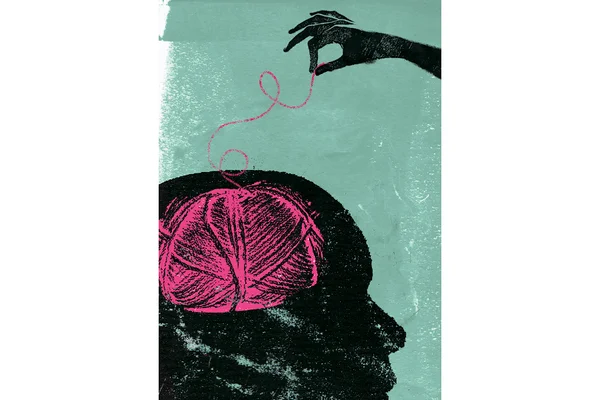
Recognizing gaslighting in Scientific American is essential for combating its effects. Here are some strategies to help identify and address gaslighting:
- Educate yourself: Stay informed about scientific methods, research, and data analysis to recognize any discrepancies or manipulations.
- Verify sources: Cross-reference information presented in Scientific American with reputable scientific journals or sources to ensure accuracy.
- Question inconsistencies: If you notice contradictory information or a misrepresentation of scientific facts, raise concerns and seek clarification.
- Support scientific integrity: Encourage Scientific American to prioritize scientific rigor and transparency, holding them accountable for any gaslighting behavior.
By actively participating in the fight against gaslighting, we can work towards preserving the integrity of scientific knowledge within Scientific American and the wider scientific community.
Unveiling the Truth: Unmasking Gaslighting within Scientific American
Unmasking gaslighting within Scientific American requires a collective effort from both readers and the publication itself. Scientific American must take a proactive stance in maintaining transparency and upholding scientific integrity.
To unmask gaslighting, Scientific American can:
- Implement fact-checking processes: Establish thorough fact-checking procedures to verify the accuracy of information before publication.
- Encourage diverse perspectives: Promote a wide range of scientific viewpoints and encourage open dialogue to prevent the dominance of a single narrative.
- Address conflicts of interest: Disclose any potential conflicts of interest that may influence the reporting of scientific research.
- Promote transparency: Provide clear and accessible information about the sources and methodologies used in scientific articles.
By actively working towards unmasking gaslighting, Scientific American can rebuild trust and ensure the dissemination of accurate scientific information.
The Psychological Effects: Gaslighting in the Scientific American Community
Gaslighting in Scientific American not only affects the publication itself but also has psychological effects on the scientific community. Researchers and scientists may experience:
- Self-doubt: Gaslighting can make individuals question their own research and expertise, leading to a loss of confidence.
- Emotional distress: Constant manipulation and denial of facts can cause emotional distress and anxiety among scientists.
- Diminished morale: Gaslighting can create a toxic work environment, affecting the overall morale and motivation of scientists.
- Undermined credibility: Scientists may face challenges in being taken seriously or having their research recognized due to gaslighting tactics.
The psychological effects of gaslighting highlight the urgent need to address this issue within Scientific American and provide support to those affected.
Frequently Asked Questions about Scientific American Gaslighting
Q: What is gaslighting in Scientific American?
A: Gaslighting in Scientific American refers to the manipulation tactic where scientific facts are distorted, denied, or misrepresented, undermining the integrity of the publication and scientific knowledge.
Q: How does gaslighting impact Scientific American’s reputation?
A: Gaslighting erodes trust in Scientific American, diminishing its reputation as a reliable source of scientific information. It can also discourage researchers from submitting their work to the publication, hindering scientific progress.
Q: How can I combat gaslighting in Scientific American?
A: Combat gaslighting in Scientific American by educating yourself on scientific methods, verifying sources, questioning inconsistencies, and supporting scientific integrity within the publication.
Q: What steps can Scientific American take to address gaslighting?
A: Scientific American can implement fact-checking processes, encourage diverse perspectives, address conflicts of interest, and promote transparency to combat gaslighting.
Expert Advice
It is crucial to stay vigilant and critical when consuming scientific information from any source, including Scientific American. Always verify information, seek multiple perspectives, and rely on reputable scientific journals to ensure the accuracy of the information presented. By doing so, we can collectively combat gaslighting and preserve the integrity of scientific knowledge.