



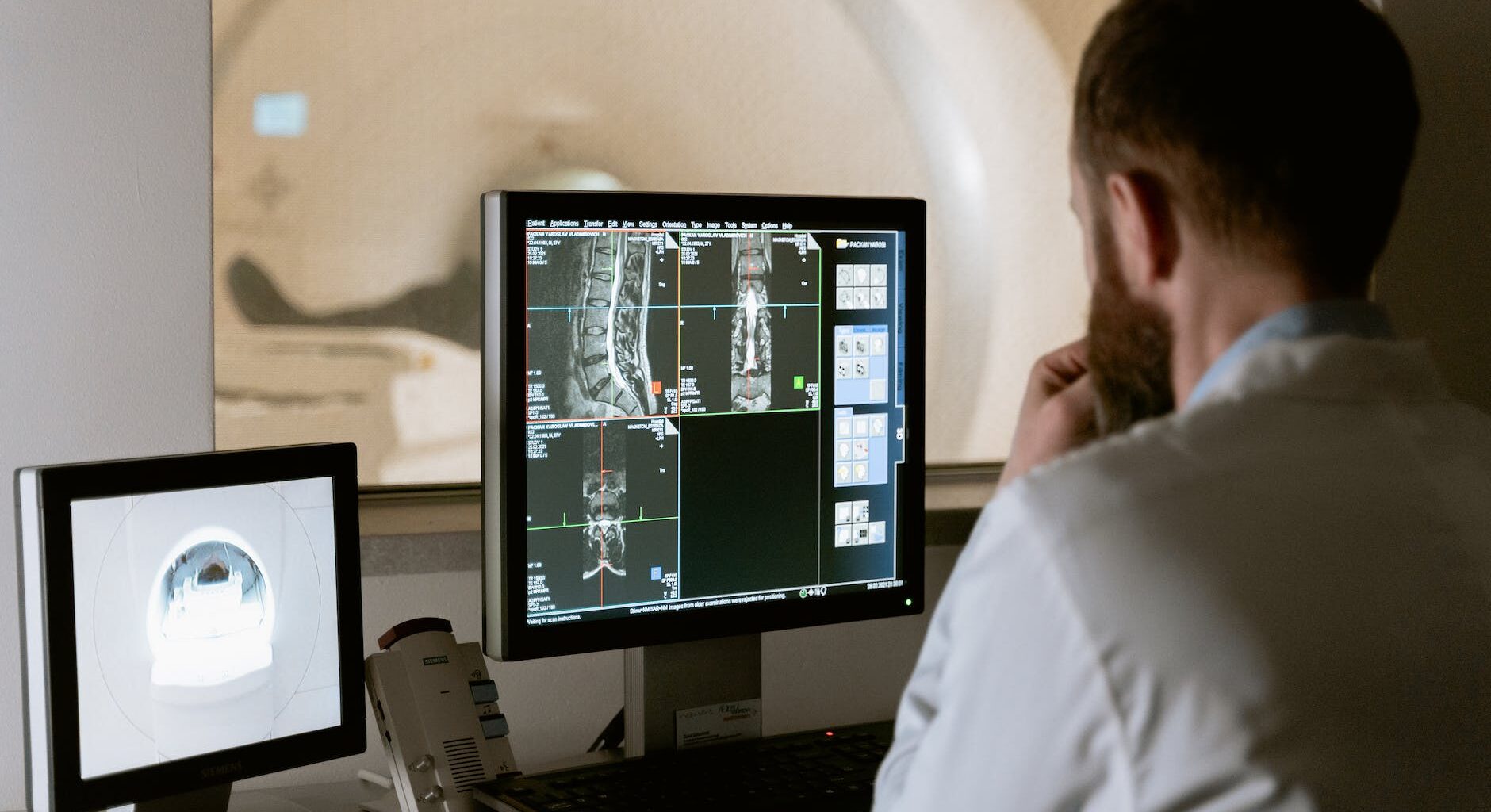


Diagnostic assessment plays a crucial role in the field of mental health. It is a comprehensive evaluation process that helps clinicians and practitioners gain a better understanding of an individual’s mental health condition. By using a variety of tools and techniques, diagnostic assessment enables professionals to make accurate diagnoses, develop effective treatment plans, and monitor progress over time.

Understanding the Importance of Diagnostic Assessment in Mental Health
Pre-assessment is the first step towards providing appropriate care and support for individuals struggling with mental health issues. It involves gathering information about a person’s symptoms, medical history, and personal experiences to identify the underlying cause of their distress. This process is essential as it guides clinicians in determining the most suitable treatment approach and ensures that individuals receive the care they need.
Diagnostic assessment helps to:
- Identify mental health disorders
- Rule out other medical conditions
- Inform treatment planning
- Monitor progress and adjust interventions
Key Benefits of Utilizing Diagnostic Assessment for Mental Health Evaluation
Utilizing pre-assessment in mental health evaluation offers several benefits for both clinicians and individuals seeking help. These benefits include:
- Accurate Diagnosis: Diagnostic assessment helps clinicians make accurate and reliable diagnoses, ensuring that individuals receive the appropriate treatment for their specific condition.
- Personalized Treatment: By understanding the unique needs and challenges of each individual, diagnostic assessment allows clinicians to develop personalized treatment plans that address their specific symptoms and circumstances.
- Improved Outcomes: Through regular evaluation and monitoring, pre-assessment helps clinicians track an individual’s progress and make necessary adjustments to their treatment plan, leading to improved outcomes.
- Evidence-Based Practice: Diagnostic assessment ensures that mental health interventions are based on scientific evidence and tailored to the individual’s needs, promoting effective and efficient care.
Choosing the Right Tools and Techniques for Diagnostic Assessment in Mental Health

When it comes to diagnostic assessment in mental health, choosing the right tools and techniques is crucial for obtaining accurate and reliable results. Clinicians and practitioners can utilize various methods, including:
| Tool/Technique | Description |
|---|---|
| Clinical Interviews | Structured interviews that allow clinicians to gather information about a person’s symptoms, history, and functioning. |
| Psychological Tests | Standardized tests that assess cognitive abilities, personality traits, and emotional functioning. |
| Observation | Direct observation of an individual’s behavior, interactions, and responses in various settings. |
| Self-Report Measures | Questionnaires and scales completed by individuals to provide insights into their thoughts, feelings, and behaviors. |
Best Practices for Conducting Diagnostic Assessment in the Field of Mental Health
Conducting diagnostic assessment in the field of mental health requires adherence to best practices to ensure accurate and reliable results. Some essential best practices include:
- Cultural Competence: Being aware of and sensitive to cultural factors that may influence an individual’s presentation of symptoms and seeking additional information when necessary.
- Collaborative Approach: Involving the individual in their assessment process, encouraging their active participation, and incorporating their perspectives and preferences into the evaluation.
- Continuous Learning: Staying updated with the latest research, diagnostic criteria, and assessment tools to ensure evidence-based practice.
- Regular Supervision: Seeking supervision and consultation from experienced professionals to enhance diagnostic skills and minimize bias or errors.
Addressing Challenges and Limitations of Diagnostic Assessment in Mental Health
While diagnostic assessment is a valuable tool in mental health, it is important to acknowledge and address its potential challenges and limitations. These may include:
- Subjectivity: The interpretation of symptoms and assessment results may vary between clinicians, leading to potential discrepancies in diagnoses.
- Comorbidity: Mental health disorders often co-occur, making it challenging to differentiate and accurately diagnose multiple conditions.
- Assessment Bias: Cultural, racial, or gender biases may influence the evaluation process, leading to inaccurate or incomplete assessments.
- False Positives and Negatives: Pre-assessment may produce false positives (misdiagnosis) or false negatives (missed diagnosis), impacting treatment decisions.
Enhancing Treatment Strategies through Diagnostic Assessment in Mental Health

Diagnostic assessment not only aids in diagnosing mental health conditions but also plays a crucial role in enhancing treatment strategies. By providing a comprehensive understanding of an individual’s strengths, challenges, and specific needs, diagnostic assessment helps clinicians tailor treatment approaches to optimize outcomes.
Some ways in which diagnostic assessment enhances treatment strategies include:
- Targeted Interventions: Diagnostic assessment guides clinicians in selecting the most appropriate interventions based on an individual’s specific symptoms, strengths, and preferences.
- Monitoring Progress: Regular assessment allows clinicians to track an individual’s progress, make necessary adjustments to treatment plans, and identify potential barriers to recovery.
- Identifying Treatment Resistance: Pre-assessment helps identify individuals who may not respond to standard treatments. Allowing for the exploration of alternative approaches or referral to specialized care.
Frequently Asked Questions about diagnostic assessment mental health
Q: What is diagnostic assessment in mental health?
A: Diagnostic assessment in mental health is a comprehensive evaluation process used to identify and diagnose mental health disorders. It involves gathering information about a person’s symptoms, medical history, and personal experiences to determine the most appropriate treatment approach.
Q: How does diagnostic assessment help in mental health treatment?
A: Diagnostic assessment helps in mental health treatment by providing clinicians with a better understanding of an individual’s specific needs, challenges, and strengths. This information guides the development of personalized treatment plans and allows for regular monitoring of progress.
Q: What are the common tools used in diagnostic assessment in mental health?
A: Common tools used in pre-assessment in mental health include clinical interviews, psychological tests, observation, and self-report measures. These tools provide valuable insights into an individual’s symptoms, cognitive abilities, personality traits, and emotional functioning.
Q: Can diagnostic assessment in mental health be biased?
A: Yes, diagnostic assessment in mental health can be influenced by biases, such as cultural, racial, or gender biases. It is important for clinicians to be aware of these biases and strive for cultural competence to ensure accurate and unbiased evaluations.
Expert Advice on Diagnostic Assessment in Mental Health
Seeking expert advice on diagnostic assessment in mental health can provide valuable insights and guidance for clinicians and practitioners. Professionals in the field recommend the following:
- Stay updated with the latest research and diagnostic criteria to ensure accurate and evidence-based assessments.
- Seek supervision and consultation from experienced professionals to enhance diagnostic skills and minimize bias or errors.
- Always consider cultural factors and seek additional information when necessary to avoid misinterpretation of symptoms.
- Collaborate with the individual being assessed, involving them in the evaluation process and incorporating their perspectives and preferences into the assessment.