




Why a Mindfulness Planner is the Key to a Balanced Life
A mindfulness planner is an essential tool for cultivating a balanced and present lifestyle. In today’s fast-paced world, it’s easy to get caught up in the chaos and lose sight of what truly matters. However, with a mindfulness planner, you can stay grounded, organized, and focused on the present moment. Here are some reasons why a mindfulness planner is the key to a balanced life:
- Enhances self-awareness: By using a mindfulness planner, you develop a deeper understanding of your thoughts, emotions, and behaviors. It helps you identify patterns and triggers that may be impacting your well-being.
- Promotes mindfulness: A mindfulness planner encourages you to be fully present in each moment. It prompts you to reflect on your experiences, thoughts, and feelings, fostering a sense of mindfulness throughout the day.
- Improves focus and productivity: With a mindfulness planner, you can prioritize tasks, set goals, and plan your day effectively. It helps you stay focused on what’s important, reducing distractions and increasing productivity.
- Reduces stress and anxiety: By incorporating mindfulness exercises and stress management techniques into your planner, you can reduce stress and anxiety levels. It provides a space for self-care and relaxation amidst a busy schedule.
How to Use a Mindfulness Planner to Cultivate Mindful Habits

Using a mindfulness planner to cultivate mindful habits is a powerful way to integrate mindfulness into your daily routine. Here’s how you can make the most of your mindfulness planner:
- Create a morning ritual: Start your day by setting intentions, practicing gratitude, and visualizing how you want to show up in the world. Use your mindfulness planner to jot down these thoughts and anchor yourself in the present moment.
- Schedule regular mindfulness breaks: Incorporate short mindfulness breaks throughout the day to pause, breathe, and refocus your attention. Use your planner to remind yourself of these breaks and track your progress.
- Reflect on your experiences: At the end of each day, take a few moments to reflect on your experiences, emotions, and any insights gained. Your mindfulness planner can serve as a journal for capturing these reflections.
- Set mindful reminders: Use your mindfulness planner to set reminders for practicing mindfulness in specific situations, such as during meals, conversations, or daily routines. These reminders can help you stay present and cultivate mindful habits.
The Benefits of Using a Mindfulness in Your Daily Routine
Integrating a mindfulness planner into your daily routine offers numerous benefits for your overall well-being. Here are some key advantages of using a mindfulness planner:
- Improved mental clarity: A mindfulness planner helps declutter your mind and provides a clear structure for your thoughts, allowing for improved mental clarity.
- Increased self-reflection: Regularly using a mindfulness planner encourages self-reflection, which can lead to a better understanding of yourself and your needs.
- Better time management: By organizing your tasks and activities in a mindfulness planner, you can prioritize effectively and manage your time more efficiently.
- Enhanced self-care: Your mindfulness can serve as a reminder to prioritize self-care activities, such as exercise, meditation, and relaxation.
- Reduced stress: Incorporating stress management techniques and mindfulness exercises into your planner can significantly reduce stress levels.
- Increased productivity: When you have a clear plan outlined in your mindfulness planner, you can focus on your priorities and accomplish tasks more efficiently, boosting overall productivity.
10 Essential Features to Look for in a Mindfulness
When choosing a mindfulness, it is crucial to consider specific features to ensure it meets your needs effectively. Here are ten essential features to look for:
| 1. Goal-setting sections: | Look for a planner that offers dedicated sections for setting and tracking your goals. This feature helps you stay focused and motivated. |
| 2. Daily gratitude prompts: | A planner that includes daily gratitude prompts can encourage a positive mindset and foster a sense of appreciation. |
| 3. Mindfulness exercises: | Choose a planner that provides mindfulness exercises or prompts to help you incorporate mindfulness into your daily routine. |
| 4. Inspirational quotes: | Inspirational quotes can serve as a source of motivation and encouragement throughout your mindfulness journey. |
| 5. Reflection pages: | A planner with dedicated reflection pages allows you to capture your thoughts, insights, and reflections on a regular basis. |
| 6. Habit trackers: | Look for a planner that includes habit trackers to help you monitor and cultivate mindful habits over time. |
| 7. Monthly and weekly layouts: | Consider a planner that offers both monthly and weekly layouts, providing a comprehensive overview of your schedule. |
| 8. Space for intentions: | A planner with designated space for setting intentions allows you to stay aligned with your values and purpose. |
| 9. Inspirational images: | Visual elements, such as inspirational images, can add a sense of beauty and inspiration to your mindfulness practice. |
| 10. Durable and portable: | Choose a planner that is durable and portable, so you can carry it with you wherever you go and use it consistently. |
Top Mindfulness Exercises to Incorporate in Your Planner
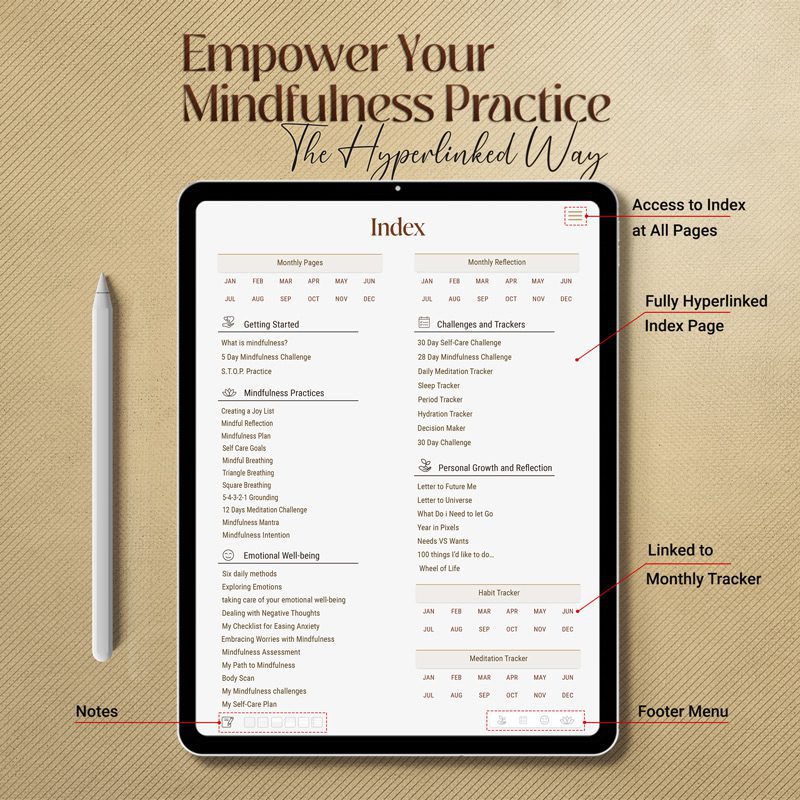
To enhance your mindfulness practice, consider incorporating the following exercises into your mindfulness planner:
- Body scan meditation: Take a few minutes each day to scan your body from head to toe, observing any sensations or areas of tension.
- Breathing exercises: Practice deep breathing exercises to anchor yourself in the present moment and calm your mind.
- Gratitude journaling: Set aside time to write down three things you are grateful for each day, fostering a sense of appreciation.
- Walking meditation: Take a mindful walk, paying attention to each step, the sensations in your body, and the environment around you.
- Loving-kindness meditation: Spend a few moments each day sending love, kindness, and well wishes to yourself and others.
Tips for Designing Your Own Custom Mindfulness
If you prefer a personalized approach, designing your own custom mindfulness planner can be a rewarding experience. Here are some tips to get you started:
- Define your purpose: Clarify your intentions and objectives for using a custom mindfulness planner. Determine what aspects you want to focus on.
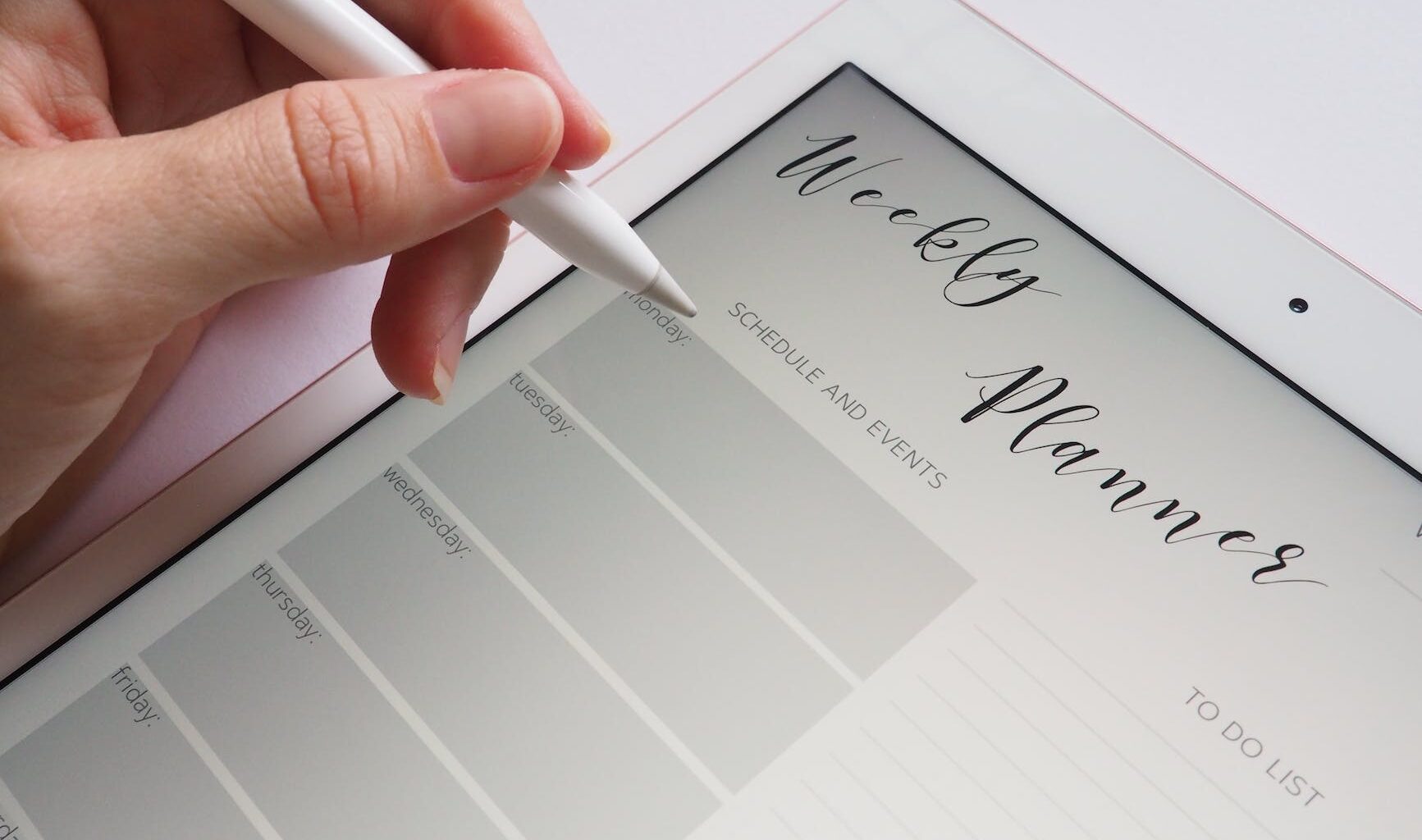
- Choose the format: Decide whether you prefer a digital planner or a physical one. Consider the pros and cons of each format.
- Select your sections: Identify the essential sections you want to include in your planner, such as goal-setting, gratitude, and reflection.
- Design the layouts: Experiment with different layouts and formats that align with your preferences and provide a clear structure for your planning.
- Add personal touches: Incorporate elements that resonate with you, such as meaningful quotes, images, or symbols.
- Regularly review and adjust: Continuously evaluate your custom mindfulness planner and make adjustments as needed to ensure it remains effective and aligned with your goals.
Frequently Asked Questions about Mindfulness Planner
Q: What is a mindfulness planner?
A: A mindfulness planner is a tool designed to help individuals incorporate mindfulness practices, set intentions, and organize their daily lives.
Q: How can a mindfulness planner benefit my well-being?
A: A mindfulness planner can benefit your well-being by promoting self-awareness, reducing stress, improving focus, and fostering a balanced lifestyle.
Q: Are digital mindfulness as effective as physical ones?
A: The effectiveness of a mindfulness planner depends on personal preference. Some individuals find digital planners more convenient, while others prefer the tactile experience of a physical planner.
Q: How often should I use my mindfulness planner
A: It is recommended to use your mindfulness planner daily to cultivate consistent mindful habits and stay organized.
Q: Can I use a mindfulness alongside other mindfulness practices?
A: Absolutely! A mindfulness planner can complement other mindfulness practices such as meditation, yoga, and breathing exercises.
Expert Advice on Mindfulness Planner
According to leading mindfulness experts, incorporating a mindfulness planner into your daily routine can be a powerful tool for cultivating mindfulness and achieving a balanced life. It provides structure, accountability, and a visual representation of your mindfulness journey. Remember to use your mindfulness planner as a guide, adapting it to suit your unique needs and preferences. Stay consistent, be patient with yourself, and enjoy the process of self-discovery and growth.