


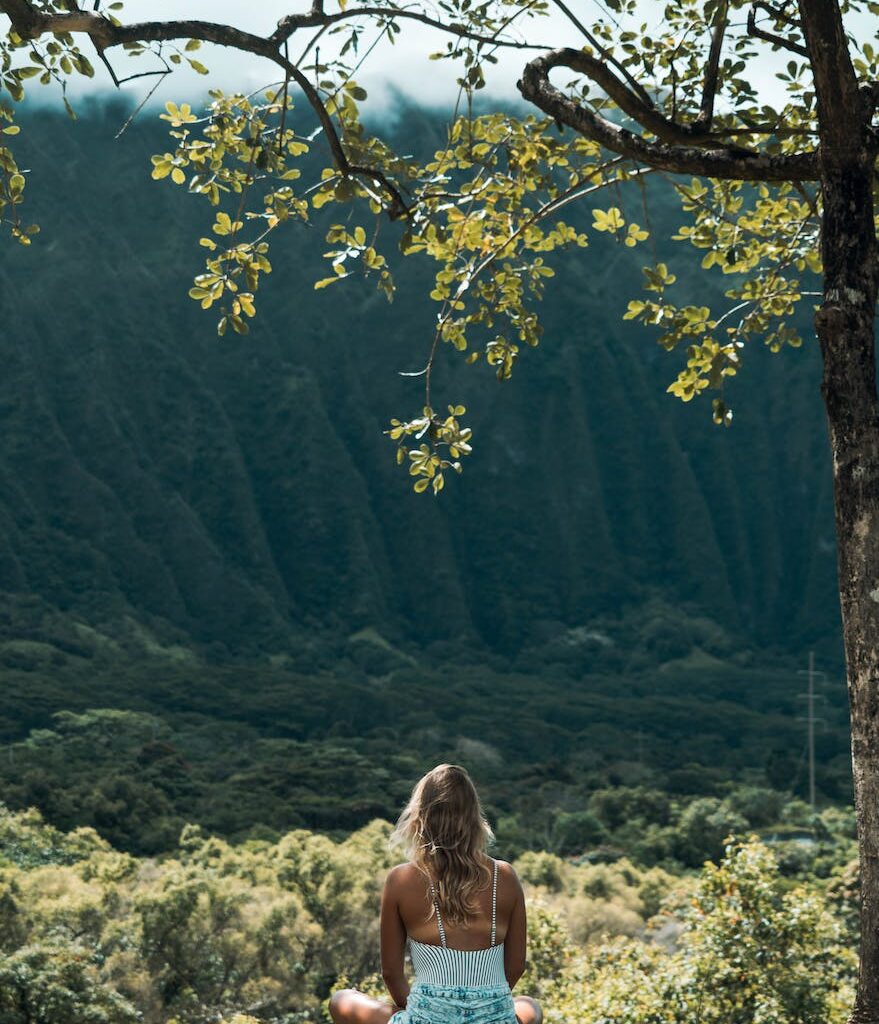


Have you ever felt overwhelmed by the fast-paced modern world? Do you long for a moment of peace and clarity amidst the chaos? If so, then it’s time to discover the serenity and clarity that can be found at Mindfulness Mountain. This majestic peak offers a sanctuary for those seeking to escape the stress of daily life and reconnect with their inner selves. In this article, we will explore the importance of mindfulness in today’s world, learn how to practice mindfulness on a mountain, discover the benefits of combining mindfulness and outdoor activities, explore mindfulness retreats in mountainous regions, and find tips for finding inner peace in the midst of nature. We will also delve into the connection between mindfulness and mountain climbing. So, let’s embark on this journey of self-discovery and tranquility.
Why Mindfulness Matters in the Modern World
Nowadays, people are constantly bombarded with distractions and obligations. The demands of work, family, and social media can leave us feeling disconnected and overwhelmed. This is where mindfulness comes in. Mindfulness is the practice of being fully present in the moment, without judgment. It allows us to cultivate a deep sense of awareness and focus, which is essential for navigating the complexities of the modern world.
When we practice mindfulness, we become more attuned to our thoughts, emotions, and physical sensations. This heightened awareness enables us to make conscious choices and respond to situations with clarity and compassion. By incorporating mindfulness into our daily lives, we can reduce stress, improve our mental well-being, and enhance our overall quality of life.
How to Practice Mindfulness on a Mountain
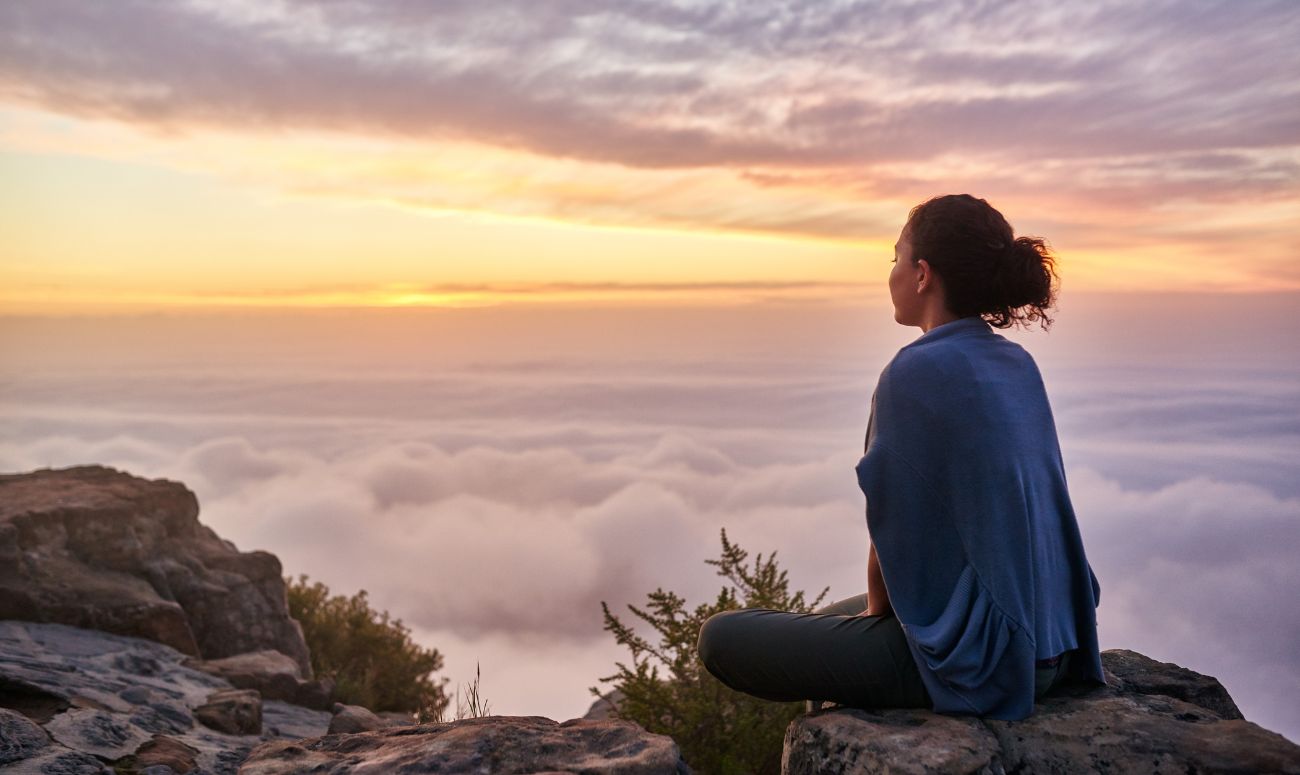
Practicing mindfulness on a mountain can be a transformative experience. The majestic beauty and peacefulness of nature provide the perfect backdrop for cultivating a state of mindfulness. Here are some tips to help you practice mindfulness on Mindfulness Mountain:
- 1. Find a quiet spot: Choose a secluded spot on the mountain where you can sit or stand comfortably without distractions.
- 2. Focus on your breath: Take deep, slow breaths and pay attention to the sensation of the breath entering and leaving your body.
- 3. Engage your senses: Tune in to the sights, sounds, smells, and textures of the mountain. Notice the colors of the foliage, the sound of birdsong, the scent of pine trees, and the feel of the earth beneath your feet.
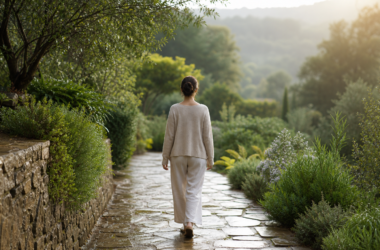
- 4. Practice walking meditation: Take slow, deliberate steps, paying attention to the sensation of each foot touching the ground. Allow your mind to be fully present in the act of walking.
- 5. Observe your thoughts: Notice any thoughts or emotions that arise without judgment. Let them come and go, like clouds passing through the sky.
- 6. Practice gratitude: Take a moment to appreciate the beauty and serenity of the mountain. Express gratitude for this opportunity to connect with nature and yourself.
Benefits of Combining Mindfulness and Outdoor Activities
Combining mindfulness with outdoor activities, such as hiking or camping, can amplify the benefits of both practices. Here are some of the benefits you can expect:
- 1. Stress reduction: Spending time in nature and practicing mindfulness can significantly reduce stress levels. It allows you to disconnect from the pressures of daily life and find solace in the beauty of the outdoors.
- 2. Improved mental well-being: Mindfulness and outdoor activities have been shown to improve mental health by reducing symptoms of anxiety and depression. They provide a healthy outlet for processing emotions and promoting overall well-being.
- 3. Enhanced focus and clarity: Engaging in outdoor activities while practicing mindfulness can sharpen your focus and enhance mental clarity. It allows you to fully immerse yourself in the present moment and let go of distractions.
- 4. Deepened connection with nature: By combining mindfulness and outdoor activities, you can develop a deeper appreciation for the natural world. It fosters a sense of interconnectedness and encourages environmental stewardship.
- 5. Physical fitness: Outdoor activities like hiking or mountain climbing provide an excellent opportunity to engage in physical exercise. The combination of mindfulness and physical activity can improve cardiovascular health and strengthen the body.
Exploring Mindfulness Retreats in Mountainous Regions
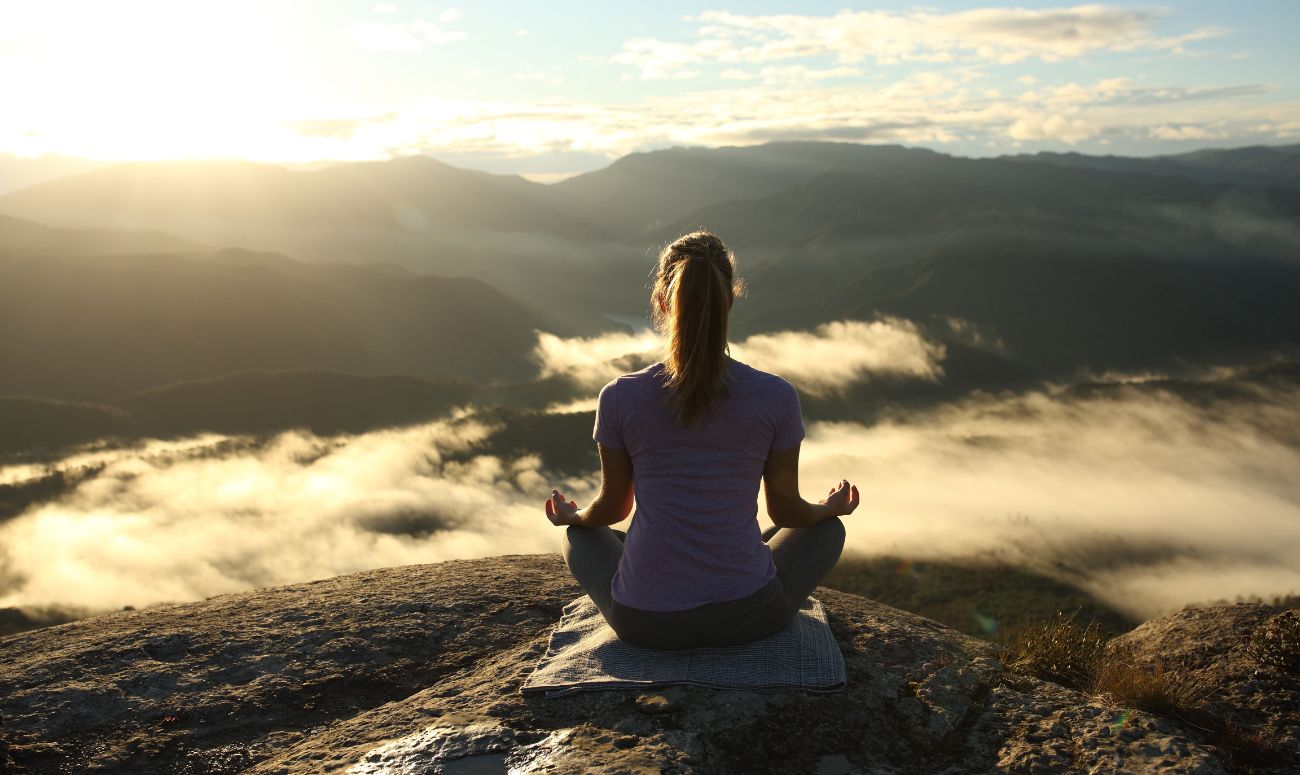
If you’re looking for a more immersive mindfulness experience, consider attending a mindfulness retreat in a mountainous region. These retreats offer a structured environment for practicing mindfulness and provide an opportunity to connect with like-minded individuals. Here are a few renowned mindfulness retreats in mountainous regions:
| Retreat | Location |
|---|---|
| Mountain Bliss Retreat | Aspen, Colorado |
| Serenity Peak Retreat | Sedona, Arizona |
| Tranquil Mountain Retreat | Whistler, British Columbia |
| Peaceful Summit Retreat | Mount Shasta, California |
Attending a mindfulness retreat can provide a deeper level of guidance and support in your mindfulness journey. It allows you to immerse yourself in a serene and nurturing environment, surrounded by the beauty of nature.
Tips for Finding Inner Peace in the Midst of Nature
Connecting with nature can be a powerful way to find inner peace. Here are some tips to help you find inner peace in the midst of nature:
- 1. Unplug from technology: Take a break from screens and immerse yourself in the natural world. Disconnecting from technology allows you to fully engage with your surroundings and cultivate a sense of tranquility.
- 2. Practice mindfulness: Use the techniques mentioned earlier to cultivate mindfulness in nature. Focus on your breath, engage your senses, and observe your thoughts without judgment.
- 3. Engage in nature-based activities: Take advantage of the outdoor activities available in the mountainous region. Go for a hike, try rock climbing, or simply sit by a serene lake and soak in the beauty of your surroundings.
- 4. Embrace solitude: Spend some time alone in nature, allowing yourself to reflect and recharge. Solitude provides an opportunity for self-discovery and introspection.
- 5. Practice gratitude: Express gratitude for the abundance of nature and the opportunity to connect with it. Take a moment to appreciate the beauty and serenity that surrounds you.
The Connection Between Mindfulness and Mountain Climbing
Mountain climbing requires a high level of focus, physical endurance, and mental resilience. It is a challenging endeavor that pushes individuals to their limits. However, it is also an activity that can foster mindfulness. Here’s how:
- 1. Heightened focus: Mountain climbers must maintain a high level of focus to navigate treacherous terrain and make split-second decisions. This intense focus requires them to be fully present in the moment, similar to the practice of mindfulness.
- 2. Mind-body connection: Mountain climbing demands physical strength, balance, and coordination. It requires climbers to be in tune with their bodies and listen to their physical limitations. This heightened awareness of the mind-body connection aligns with the principles of mindfulness.
- 3. Overcoming fear: Mountain climbing is not without its risks. It often involves facing fears, such as heights or exposure to the elements. Mindfulness can help climbers navigate these fears by cultivating a sense of calm and resilience in the face of adversity.
- 4. Surrendering to the present moment: Mountain climbers must surrender to the present moment and accept the challenges that come their way. This surrender aligns with the practice of mindfulness, which encourages individuals to let go of resistance and embrace the present moment.
Frequently Asked Questions about Mindfulness Mountain
Q: What is Mindfulness Mountain?
A: Mindfulness Mountain is a serene and majestic peak that offers a sanctuary for individuals seeking to practice mindfulness and reconnect with nature.
Q: How can mindfulness benefit me?
A: Mindfulness can benefit you in various ways. It can reduce stress, improve mental well-being, enhance focus and clarity, deepen your connection with nature, and promote overall physical and emotional well-being.
Q: Can I practice mindfulness without being in a mountainous region?
A: Absolutely! While being in a mountainous region can enhance the mindfulness experience, you can practice mindfulness anywhere, whether it’s in your backyard, a park, or even in the comfort of your own home.
Q: Are there any mindfulness retreats specifically focused on mountains?
A: Yes, there are mindfulness retreats that specifically focus on mountains. These retreats offer a unique opportunity to immerse yourself in the beauty of mountainous regions while practicing mindfulness.
Q: Can mountain climbing be a form of mindfulness practice?
A: Yes, mountain climbing can be a form of mindfulness practice. It requires climbers to be fully present in the moment, cultivate heightened focus, and surrender to the challenges that arise during the climb.
Expert Advice on Mindfulness Mountain
If you’re considering embarking on a mindfulness journey at Mindfulness Mountain, here’s some expert advice to guide you:
“The key to practicing mindfulness on Mindfulness Mountain is to fully immerse yourself in the present moment. Allow the beauty and serenity of the mountain to guide you into a state of deep awareness. Remember to be gentle with yourself and embrace the journey of self-discovery and tranquility.” – Dr. Amanda Smith, Mindfulness Expert
So, whether you choose to practice mindfulness on Mindfulness Mountain or in the comfort of your own backyard, the important thing is to make time for self-reflection and reconnect with your inner self. Embrace the serenity and clarity that mindfulness can bring and discover the transformative power of nature.