






Addiction and trauma recovery can be a challenging journey, but with the right strategies and support, lasting recovery is possible. This article will explore the link between addiction and trauma, effective strategies for dual recovery, the role of trauma-informed care in addiction treatment, building a supportive network, navigating relationships in recovery, and holistic approaches to healing the mind, body, and spirit.
Understanding the Link Between Addiction and Trauma
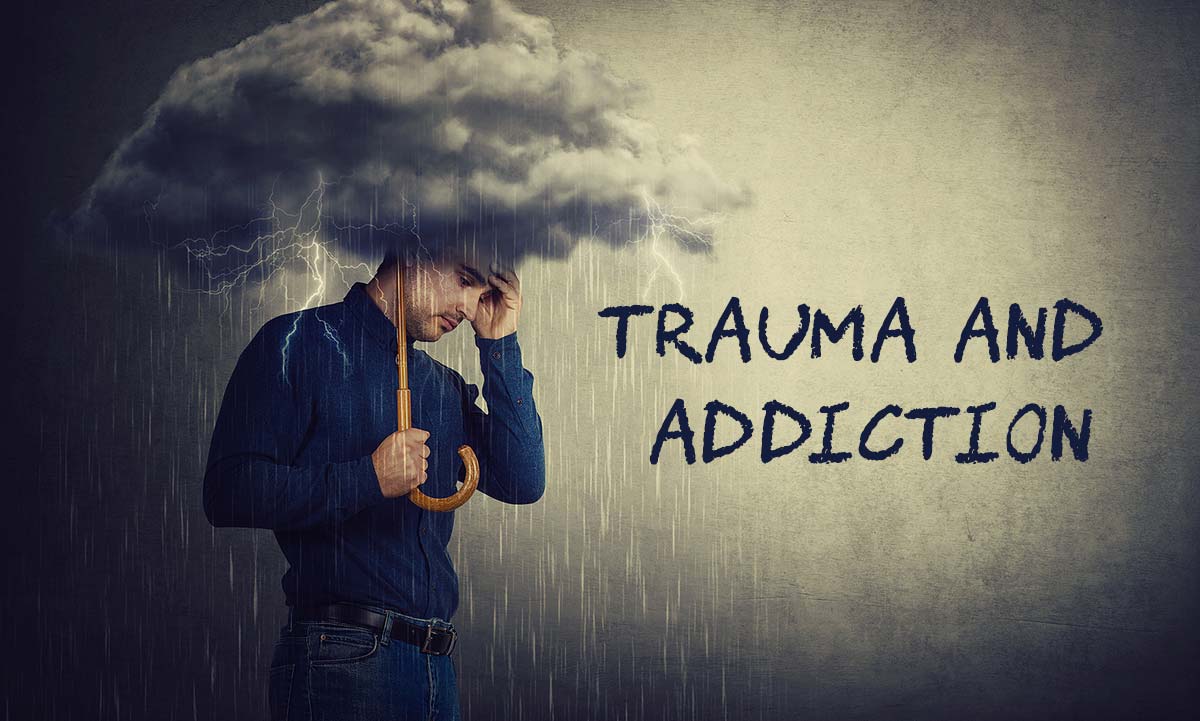
There is a strong connection between addiction and trauma, as individuals who have experienced trauma are more likely to develop substance use disorders. Traumatic experiences can range from physical or emotional abuse to neglect, accidents, or witnessing violence. These experiences can have a profound impact on a person’s mental health and coping mechanisms, leading to the development of addictive behaviors as a way to self-medicate or escape from the pain.
Research has shown that trauma can alter brain chemistry and increase the risk of developing addiction. Trauma-related triggers can also contribute to relapse, making it crucial to address both addiction and trauma concurrently in the recovery process.
Breaking the Cycle: Effective Strategies for Dual Recovery

Recovering from addiction and trauma requires a comprehensive approach that addresses both issues simultaneously. Here are some effective strategies for dual recovery:
- Evidence-Based Therapies: Therapies such as Cognitive Behavioral Therapy (CBT), Eye Movement Desensitization and Reprocessing (EMDR), and Dialectical Behavior Therapy (DBT) can help individuals process trauma, develop healthier coping mechanisms, and prevent relapse.
- Support Groups: Joining support groups specifically tailored for individuals with a history of addiction and trauma can provide a safe space for sharing experiences, learning from others, and gaining support and encouragement.
- Self-Care Practices: Engaging in self-care activities such as exercise, mindfulness, meditation, and journaling can help individuals manage stress, regulate emotions, and promote overall well-being.
- Healthy Lifestyle Changes: Adopting a healthy lifestyle that includes nutritious eating, regular sleep patterns, and avoiding triggers can support the recovery process and promote physical and mental well-being.
The Role of Trauma-Informed Care in Addiction Treatment
Trauma-informed care is an essential component of addiction treatment that recognizes the widespread impact of trauma and its potential to affect individuals’ overall well-being. It involves creating a safe and supportive environment where individuals feel empowered and informed about their treatment options.
Key principles of trauma-informed care include:
- Safety: Ensuring physical and emotional safety for individuals throughout their recovery journey.
- Trustworthiness: Building trust and establishing clear communication channels between individuals and their healthcare providers.
- Choice and Collaboration: Encouraging individuals’ active participation in their treatment decisions and considering their preferences and needs.
- Empowerment: Supporting individuals in building resilience, self-esteem, and a sense of control over their recovery process.
By integrating trauma-informed care into addiction treatment, healthcare professionals can address the underlying traumas that contribute to addiction and provide individuals with the necessary tools for lasting recovery.
Building a Supportive Network: Healing Together
Building a supportive network is crucial for individuals in addiction and trauma recovery. Having a strong support system can provide encouragement, accountability, and a sense of belonging. Here are some ways to build a supportive network:
- Joining Support Groups: Participating in support groups, such as Alcoholics Anonymous (AA) or Narcotics Anonymous (NA), can connect individuals with others who understand their struggles and offer guidance and support.
- Seeking Professional Help: Engaging with therapists, counselors, or support services can provide individuals with additional guidance and a safe space to discuss their experiences.
- Connecting with Loved Ones: Rebuilding relationships with family and friends can provide a strong support system that understands and supports the recovery process.
Remember, recovery is a journey best taken with others who can offer support, understanding, and empathy.
Rebuilding Trust: Navigating Relationships in Recovery
Rebuilding trust in relationships is a crucial aspect of addiction and trauma recovery. Both addiction and trauma can strain relationships, leading to broken trust and damaged connections. Here are some strategies for navigating relationships in recovery:
- Open and Honest Communication: Foster open and honest communication with loved ones, expressing your commitment to recovery and addressing any concerns or questions they may have.
- Setting Boundaries: Establish clear boundaries with loved ones and communicate your needs and expectations in order to create a healthy and supportive environment.
- Seeking Couples or Family Therapy: Engaging in therapy together can provide a safe space for addressing past issues, improving communication, and rebuilding trust.
- Patience and Understanding: Recognize that rebuilding trust takes time and effort from both parties involved. Practice patience and understanding throughout the process.
By actively working on rebuilding trust and nurturing healthy relationships, individuals in recovery can create a strong support system that enhances their overall well-being.
Holistic Approaches: Healing the Mind, Body, and Spirit
Healing the mind, body, and spirit is essential for long-term addiction and trauma recovery. Holistic approaches focus on treating the whole person, addressing the underlying causes of addiction and trauma, and promoting overall well-being. Here are some holistic approaches to consider:
- Mindfulness and Meditation: Practicing mindfulness and meditation can help individuals manage stress, regulate emotions, and cultivate a deeper sense of self-awareness.
- Yoga and Exercise: Engaging in regular physical activity, such as yoga or exercise, can promote physical and mental well-being, reduce stress, and improve overall mood.
- Art and Music Therapy: Expressive therapies like art and music can help individuals explore their emotions, process trauma, and find new ways of self-expression.
- Spiritual Practices: Engaging in spiritual practices, such as prayer, meditation, or attending religious services, can provide individuals with a sense of purpose, connection, and inner peace.
By incorporating holistic approaches into their recovery journey, individuals can experience a more comprehensive and balanced healing process.
Frequently Asked Questions about Addiction and Trauma Recovery
Q: Can trauma cause addiction?
A: Yes, trauma can increase the risk of developing addiction. Traumatic experiences can lead individuals to seek solace or escape through substance use as a coping mechanism.
Q: How can trauma-informed care benefit addiction treatment?
A: Trauma-informed care recognizes the impact of trauma on individuals’ well-being and creates a safe and supportive environment for their recovery. It helps address underlying traumas and provides individuals with the necessary tools for lasting recovery.
Q: Is it possible to recover from addiction and trauma?
A: Yes, it is possible to recover from addiction and trauma. With the right strategies, support, and treatment, individuals can overcome their challenges, heal, and lead fulfilling lives in recovery.
Expert Advice on Addiction and Trauma Recovery
Seeking professional help is crucial for individuals in addiction and trauma recovery. Consulting with therapists, counselors, or support services can provide personalized guidance and support tailored to individual needs. Remember, everyone’s journey is unique, and professional advice can greatly contribute to your recovery process.