





Recap of Days 1-4
Day 1 Recap: Embracing the Beginning of Healthy Habits
In the first four days of this journey, we laid the foundation for building habits that can truly last a lifetime. We began by welcoming the idea of starting new habits with a warm, kind heart. We reminded ourselves that it takes real courage to decide to change, and that every single small step is a victory. Instead of rushing or forcing, we created a space where beginning is enough and where self-judgment takes a back seat. This first step allowed us to feel safe as we started a new path.
Day 2 Recap: Finding Your True Why for Lasting Change
Then we took a deeper look into what drives us to build new habits. We realized that surface-level goals, like losing weight or eating better, often hide deeper reasons. These reasons are connected to how we want to feel and live, having more energy, sharing time with loved ones, or feeling proud of ourselves. Understanding these personal feelings helps us build habits that truly matter to us, not to others.
Day 3 Recap: Meeting Struggles with Self-Compassion
We also opened up about the struggles habit-building can bring. Self-doubt and frustration are common emotions, and the voice of the inner critic can be loud. Many people also get caught up in numbers and charts, obsessing over their progress instead of being gentle with themselves. To counter this, we learned to meet these struggles with kindness and compassion, wrapping ourselves in patience and care instead of harshness.
Day 4 Recap: Celebrating the Glimmers of Hope
By Day 4, we shifted to listening for the “glimmers of hope”, the small but powerful positive changes that happen when we stick to our habits. These can be small boosts in energy, better moods, or even improved relationships. We practiced noticing and celebrating these subtle changes because they remind us we are moving forward, even if it does not always feel that way. These days, prepare our minds for the important shift we explore today: changing our mindset from chasing goals to changing who we believe we are.
Identity-Based Habits vs. Goal-Based Habits
Most people think of habits as goals to reach – “I want to lose 10 pounds” or “I want to exercise every day.” Goals are focused on what we want to get, which is natural. But this way of thinking often leads to frustration when progress slows or when life gets busy. You might meet your goal and then lose motivation afterward. Or you may feel like a failure each time you don’t hit a target.
Identity-based habits are different. Instead of asking “What do I want to achieve?” we ask “Who do I want to become?” This may sound small, but it changes everything. When you link habits to your sense of identity, your daily actions align with who you see yourself as deep down. For example, instead of saying “I want to run a marathon,” you say, “I am a runner.” When running is part of who you are, it feels natural to keep it up.
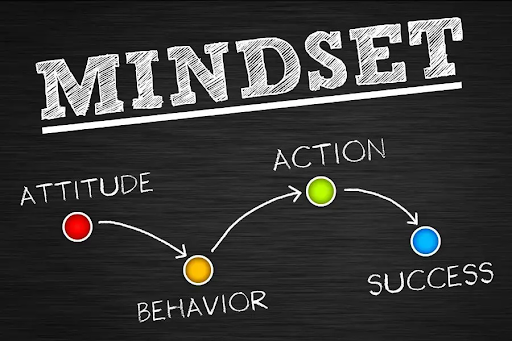
This identity shift makes habits feel less like tasks and more like expressions of self. It helps habits stick because you are no longer just chasing a result, but living according to your new self-image. This often leads to habits lasting much longer without the mental fights and fights with yourself.
One simple example is eating healthy. If you only focus on the goal “I want to eat less sugar,” it may feel like a constant battle. But if you see yourself as “I am a healthy eater,” choices come easier. You start to make food choices that match the person you want to be.
This mindset change also helps you be forgiving when things don’t go perfectly. If a runner misses a day, they are likely to get back out there because running is part of who they are. When habits fit identity, setbacks don’t cause giving up; they become small bumps on a longer road.
How Identity Shapes Habits
Our behaviors often reflect what we believe about ourselves. When our self-image changes, our habits follow. If part of your identity is to be calm and peaceful, you are more likely to seek quiet time, avoid chaos, or practice patience. If you see yourself as someone who values learning, you will spend time reading or exploring new ideas.
Changing habits is really about changing identity in small but steady ways. When you build identity-based habits, your actions confirm your new self-image again and again. This creates a strong steam that guides your choices.
This happens because we humans like to act in ways that feel true to ourselves. When external motivation fades, internal identity motivation takes over and keeps pushing. The person you believe you are becomes your guide, not outside goals or pressure.
To build new habits, it helps to start with your desired identity. Write down who you want to be in simple, true words. Next, think of small daily steps that prove this identity. Every time you do your habit, remind yourself you are acting like this person. Over time, these repeated acts make the new identity feel real inside.
One key is to start tiny. Trying to become “a healthy eater” does not mean an immediate change in all meals. Instead, it could be starting your day with a glass of water or adding veggies to one meal. These little steps give your mind proof of the new you, gently reshaping your identity.
Why This Mindset Helps
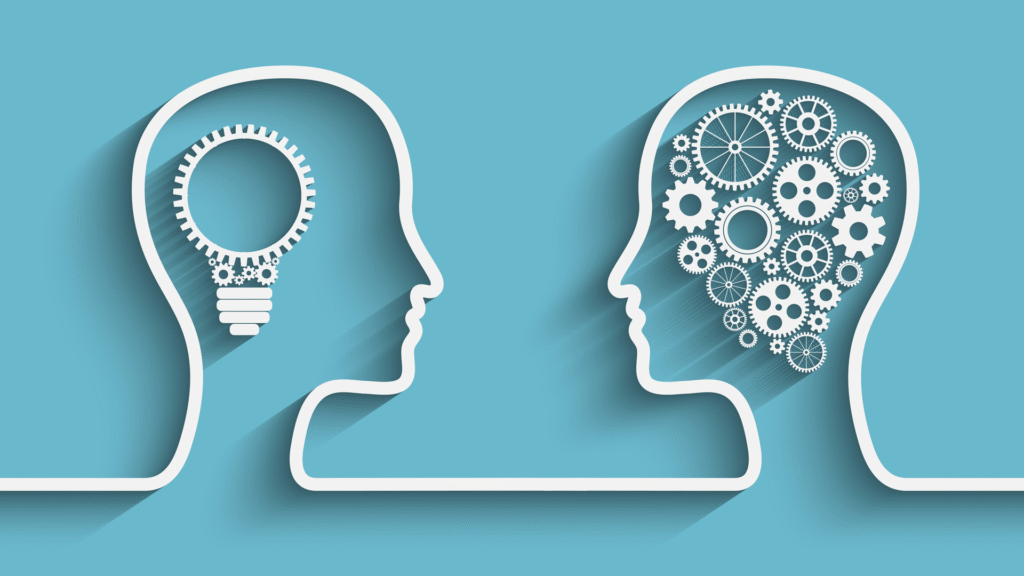
Changing from goal-based thinking to identity-based thinking gives your mind stronger fuel. Instead of needing constant reminders or rewards, you feel pulled forward by your new self-image. This leads to habits that are easier to keep and less tiring.
This mindset also reduces conflict inside your head. When identity and actions match, you feel peaceful and confident. When they don’t, you feel stress, guilt or shame. Building habits that align with identity means fewer clashes with yourself.
Another benefit is that identity-based habits endure after goals are met. If you run part of your motivation from rare goals, once those milestones arrive, motivation fades. But if your habits are part of who you are, they keep growing even after success.
Finally, this mindset opens the way to changing your life deeply. It is not only about habits, but about becoming a new person with new values and ways of living. This helps create real long-term happiness and well-being.
The “Never Miss Twice” Mindset Over All-or-Nothing Thinking
Many people try to build habits, but then feel like a failure after a slip-up. The all-or-nothing mindset says you have to be perfect or you lose everything. This leads to giving up after missing once, and feeling bad inside.
There is a kinder way called the “never miss twice” mindset. This means if you miss your habit once, it’s okay, but try not to miss it two days in a row. This small rule helps you catch yourself quickly and get back on track.
This mindset is powerful because it reduces pressure and guilt. It reminds you that mistakes happen and that what matters most is continuing. It is like saying to yourself, “I am human, and I will keep going.”
The never miss twice mindset also builds trust in yourself. You show yourself that missing a day doesn’t mean failure; it is just a pause before continuing. This kindness helps build habits that stay for a lifetime.
How to Start Changing Your Identity Today
Changing self-identity takes patience, but you can begin now. Start by asking who you want to be. Think about a few simple words that describe your new self. Examples might be: “a caring person,” “a healthy eater,” or “someone who moves daily.”
Then pick very small actions that match this identity. If you want to be stronger, start with a daily stretch. If you want to be peaceful, try deep breaths for two minutes.
Each time you take these small steps, remind yourself, “This is who I am.” Repeat this often. This helps your brain accept the new identity.
Also, celebrate your efforts and small wins. Recognize that each action is proof of the new you emerging.
Letting Go of Old Beliefs
As you grow into a new self, some old thoughts may hold you back. Maybe you have believed “I am lazy” or “I cannot keep promises to myself.” These ideas are heavy and stop you from moving forward.
Ask yourself, “What old belief do I want to leave behind today?” This question starts your healing and growth.
Letting go of old stories takes time, but it creates space for your new identity. Be gentle with yourself as you release old ideas. Remember, change is a slow and steady process.
Sometimes writing down old beliefs and then tearing up the paper can help symbolically let go.
Final Thoughts
Today’s lesson helps you see habits in a new light. When you move from chasing goals to becoming a new person, habits become part of your life naturally. This way, habits are easier to keep, less stressful, and more rewarding.
Hold close the affirmation: “I am open to embracing a new, healthier version of myself.” Let this guide your thoughts and actions.
Finally, reflect with kindness: “What old belief about myself am I ready to release?” This question invites you to begin letting go of what no longer serves you.