






Understanding the Essence of Mindfulness
Mindfulness has become a buzzword in recent years, but what does it really mean? At its core, mindfulness is the practice of being fully present and engaged in the present moment, without judgment. It involves paying attention to our thoughts, feelings, and sensations with an open and curious attitude.
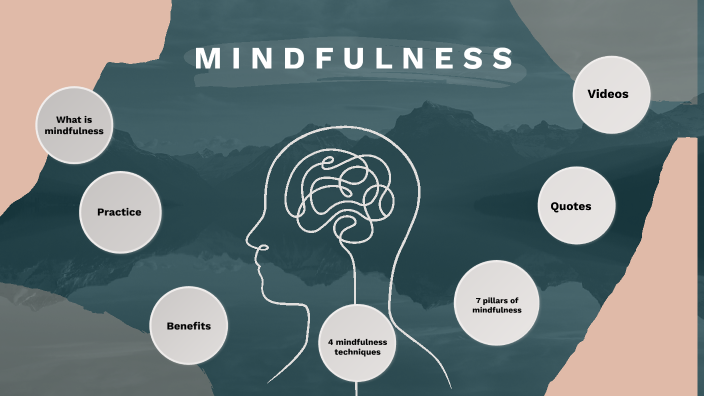
7 pillars of mindfulness provide a framework for understanding and cultivating mindfulness in our lives. These pillars serve as guiding principles that can help us unlock inner peace and clarity. Let’s explore each of these pillars in detail:
1. Awareness
At the foundation of mindfulness is awareness. It is about being conscious of our thoughts, emotions, and physical sensations without getting caught up in them. By developing awareness, we can observe our inner experiences with curiosity and compassion, allowing us to respond rather than react to life’s challenges.
One way to cultivate awareness is through mindfulness meditation. By setting aside dedicated time each day to sit quietly and observe our breath or bodily sensations, we can strengthen our ability to stay present and become more attuned to our inner world.
2. Acceptance
Acceptance is a key aspect of mindfulness. It involves acknowledging and embracing our experiences, both positive and negative, without judgment or resistance. Instead of trying to change or control our thoughts and emotions, we learn to accept them as they are.
Practicing acceptance can be challenging, especially when faced with difficult emotions or uncomfortable situations. However, by allowing ourselves to fully experience and accept these moments, we can cultivate a sense of inner peace and resilience.
3. Non-judgment
Mindfulness encourages us to let go of judgment and adopt a non-judgmental stance towards ourselves and others. It involves observing our thoughts and actions without labeling them as good or bad, right or wrong.
By letting go of judgment, we can free ourselves from unnecessary self-criticism and develop a more compassionate and understanding attitude towards ourselves and others. This allows for greater self-acceptance and fosters healthier relationships.
4. Compassion
Compassion is a fundamental aspect of mindfulness. It involves cultivating a kind and caring attitude towards ourselves and others. When we approach ourselves and others with compassion, we can develop deeper connections and foster a sense of belonging and empathy.
Practicing self-compassion involves treating ourselves with the same kindness and understanding we would offer to a close friend facing a difficult situation. By extending compassion to others, we contribute to creating a more compassionate and understanding world.
Practicing Mindfulness in Daily Life
Mindfulness is not just something we practice during meditation; it is a way of life. By integrating mindfulness into our daily routines, we can experience its benefits in all aspects of our lives.
To incorporate mindfulness into your daily life, consider the following practices:
1. Mindful Eating
When you sit down to eat, try to bring your full attention to the experience. Notice the colors, smells, and textures of your food. Chew slowly and savor each bite. Pay attention to the sensations in your body as you eat. This practice can help you develop a healthier relationship with food and cultivate gratitude for the nourishment it provides.
2. Mindful Movement
Engaging in physical activities mindfully can enhance your overall well-being. Whether it’s yoga, walking, or any other form of exercise, focus on the sensations in your body as you move. Pay attention to your breath, the feeling of your muscles working, and the environment around you. This can help you stay present and fully engaged in the activity.
3. Mindful Communication
When engaging in conversations with others, practice active listening. Give your full attention to the person speaking, without interrupting or formulating your response in your mind. Notice your own reactions and judgments and try to respond with empathy and understanding. This can foster deeper connections and improve the quality of your relationships.
4. Mindful Pause
Throughout the day, take a few moments to pause and check in with yourself. Notice your thoughts, emotions, and physical sensations without judgment. Use this time to ground yourself in the present moment and recenter your focus. This practice can help you reduce stress and increase your overall sense of well-being.
Building Resilience through Mindfulness
Resilience is the ability to bounce back from adversity and navigate life’s challenges with strength and flexibility. Mindfulness can play a significant role in building resilience by helping us develop a greater capacity to cope with stress and adversity.
Here are some ways in which mindfulness can contribute to building resilience:
1. Stress Reduction
Mindfulness practice has been shown to reduce stress levels by activating the body’s relaxation response. By cultivating awareness of our stress triggers and incorporating mindfulness techniques into our daily lives, we can better manage stress and prevent it from overwhelming us.
2. Emotional Regulation
Mindfulness can enhance our ability to regulate our emotions. By observing our thoughts and emotions without judgment, we can develop greater emotional intelligence and respond to challenging situations with more clarity and composure.
3. Cultivating Positive Mindsets

Mindfulness practice can help shift our mindset from a negative or reactive state to a more positive and proactive one. By focusing on the present moment and cultivating gratitude, we can foster optimism and resilience in the face of adversity.
4. Enhancing Self-Compassion
Self-compassion is a crucial component of resilience. Mindfulness practice can help us develop a kinder and more compassionate attitude towards ourselves, allowing us to bounce back from setbacks and failures with greater self-acceptance and resilience.
Exploring the Impact of Mindfulness on Mental Health
Mindfulness has gained attention in the field of mental health for its potential to improve overall well-being and alleviate symptoms of various mental health conditions. Let’s explore some of the ways in which mindfulness can positively impact mental health:
1. Stress and Anxiety Reduction
Mindfulness-based interventions have been shown to effectively reduce symptoms of stress and anxiety. By training individuals to redirect their attention to the present moment, mindfulness helps break the cycle of rumination and worry, promoting a sense of calm and relaxation.
2. Depression Management
Studies have demonstrated the effectiveness of mindfulness-based approaches in managing symptoms of depression. By cultivating awareness and acceptance, individuals can develop a more balanced perspective and reduce the recurrence of depressive episodes.
3. Addiction Recovery
Mindfulness-based interventions have been integrated into substance abuse treatment programs with promising results. By increasing awareness of cravings and developing healthier coping mechanisms, mindfulness can support individuals in their journey towards recovery.
4. Improved Well-being
Mindfulness practice has been associated with improved overall well-being and life satisfaction. By cultivating present-moment awareness and self-compassion, individuals can experience greater contentment, positive emotions, and a sense of purpose in life.
Cultivating Mindfulness for Improved Productivity
Mindfulness can also have a significant impact on our productivity and effectiveness in various domains of life. By cultivating mindfulness, we can enhance our ability to focus, make better decisions, and manage our time and energy more efficiently.
Here are some ways in which mindfulness can improve productivity:
1. Enhanced Focus and Concentration
Mindfulness practice can strengthen our ability to stay focused and present in the task at hand. By training our attention and reducing distractions, we can improve our concentration and accomplish tasks more efficiently.
2. Improved Decision Making
When we approach decision-making from a place of mindfulness, we can tap into our intuition and make more informed choices. By observing our thoughts and emotions without immediate judgment, we can access greater clarity and insight.
3. Effective Time Management
Mindfulness can help us become more aware of how we spend our time and make intentional choices about our priorities. By bringing mindfulness to our daily routines and tasks, we can minimize distractions and optimize our productivity.
4. Stress Reduction
Chronic stress can significantly impact our productivity and well-being. Mindfulness practice can help us manage stress more effectively by increasing our resilience and providing us with tools to navigate challenging situations with greater ease.
Embracing Mindfulness as a Tool for Self-Discovery
Mindfulness is not only a practice for achieving inner peace and clarity; it is also a powerful tool for self-discovery and personal growth. By cultivating mindfulness, we can develop a deeper understanding of ourselves and our patterns of thinking and behavior.
Here are some ways in which mindfulness can support self-discovery:
1. Increased Self-Awareness
Mindfulness practice encourages us to observe our thoughts, emotions, and sensations without judgment. By developing self-awareness, we can uncover unconscious patterns and beliefs that may be holding us back and make conscious choices that align with our values and goals.
2. Deepening Intuition
As we become more attuned to our inner experiences through mindfulness, we can tap into our intuition and inner wisdom. By listening to our instincts and trusting our inner voice, we can make decisions that are in alignment with our authentic selves.
3. Cultivating Gratitude
Mindfulness practice often involves cultivating gratitude for the present moment and the blessings in our lives. By focusing on what we appreciate, we can develop a more positive outlook and a deeper sense of fulfillment.
4. Embracing Imperfection
Mindfulness teaches us to embrace imperfection and let go of the need for constant self-improvement. By practicing self-compassion and accepting ourselves as we are, we can cultivate a greater sense of self-acceptance and inner peace.
Frequently Asked Questions about 7 pillars of mindfulness
Q: What are the 7 pillars of mindfulness?
A: The 7 pillars of mindfulness are awareness, acceptance, non-judgment, compassion, resilience, self-discovery, and mindfulness in daily life.
Q: How can mindfulness be practiced in daily life?
A: Mindfulness can be practiced in daily life through activities such as mindful eating, mindful movement, mindful communication, and taking mindful pauses throughout the day.
Q: How does mindfulness contribute to building resilience?
A: Mindfulness helps build resilience by reducing stress, enhancing emotional regulation, cultivating positive mindsets, and fostering self-compassion.
Q: What is the impact of mindfulness on mental health?
A: Mindfulness has been found to reduce stress and anxiety, manage symptoms of depression, support addiction recovery, and improve overall well-being and life satisfaction.
Q: How can mindfulness improve productivity?
A: Mindfulness improves productivity by enhancing focus and concentration, improving decision-making, optimizing time management, and reducing stress.
Q: How can mindfulness be used as a tool for self-discovery?
A: Mindfulness supports self-discovery by increasing self-awareness, deepening intuition, cultivating gratitude, and embracing imperfection.
Expert Advice on 7 pillars of mindfulness
Mindfulness is a transformative practice that can bring profound changes to our lives. Here are some expert tips on embracing the 7 pillars of mindfulness:
– “Start small and be consistent. Even a few minutes of mindfulness practice each day can make a significant difference over time.” – Dr. Sarah Johnson, Mindfulness Coach
– “Remember that mindfulness is not about achieving a certain state of mind; it’s about cultivating a compassionate and non-judgmental attitude towards your experiences.” – Dr. Mark Thompson, Psychologist
– “Don’t be discouraged by distractions or the wandering mind during meditation. It’s a natural part of the practice. Simply acknowledge the distractions and gently bring your focus back to the present moment.” – Dr. Emily Roberts, Meditation Teacher
– “Explore different mindfulness techniques and find what resonates with you. Whether it’s breath awareness, body scan, or loving-kindness meditation, there are various approaches to suit different individuals.” – Dr. Michael Chen, Mindfulness Practitioner
– “Practice self-compassion and be patient with yourself. Mindfulness is a lifelong journey, and it’s okay to have ups and downs along the way. Treat yourself with kindness and embrace the process.” – Dr. Laura Adams, Mindfulness Expert
Remember, the 7 pillars of mindfulness are not rigid rules but guiding principles to help you cultivate mindfulness in your own unique way. Embrace the practice with an open heart and mind, and you will discover its transformative power in unlocking inner peace and clarity.