






Positive psychiatry and mental health are two interconnected fields that have gained significant attention in recent years. With a focus on well-being and the promotion of positive emotions, positive psychiatry offers a fresh perspective on mental health, emphasizing the power of positivity in achieving happiness and overall well-being. In this article, we will explore the benefits of positive psychiatry and mental health and uncover the key to unlocking happiness.
Understanding the Benefits of Positive Psychiatry
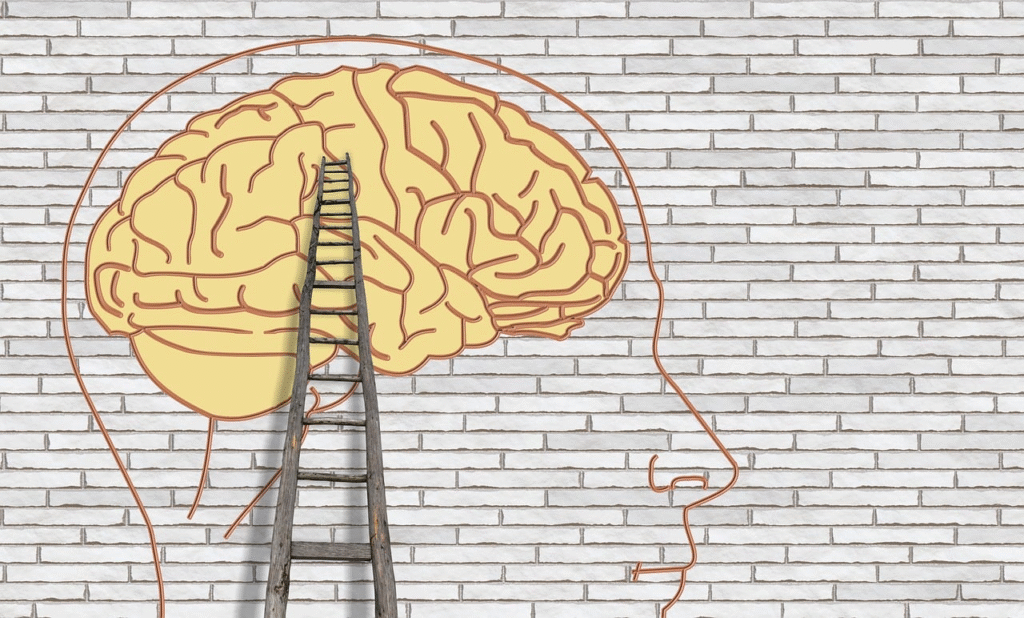
Positive psychiatry is an approach that goes beyond the traditional focus on diagnosing and treating mental illness. It encompasses a range of strategies and interventions that aim to enhance mental well-being and promote a positive outlook on life. By shifting the focus from illness to well-being, positive psychiatry offers a holistic approach that addresses the complete mental health spectrum.
Research has shown that practicing positive psychiatry can have numerous benefits. It can improve mood, enhance resilience, reduce stress, and increase overall life satisfaction. Positive psychiatry interventions have also been found to have a positive impact on physical health, leading to better cardiovascular health, increased immune function, and improved overall health outcomes.
One of the key benefits of positive psychiatry is its ability to promote positive emotions. Positive emotions such as happiness, joy, and gratitude have been linked to a range of positive outcomes, including improved mental health, better relationships, and increased overall well-being. By incorporating positive emotions into our daily lives, we can experience a greater sense of fulfillment and contentment.
Shifting the Focus: From Illness to Well-being
Traditional psychiatry has primarily focused on diagnosing and treating mental illnesses. While this approach is essential for addressing specific mental health conditions, it often neglects the importance of overall well-being. Positive psychiatry seeks to shift the focus from illness to well-being, emphasizing the promotion of positive mental health rather than solely treating mental illness.
By adopting a well-being-centered approach, positive psychiatry recognizes that mental health is more than just the absence of illness. It acknowledges the importance of positive emotions, meaningful relationships, and personal growth in achieving overall well-being. This shift in focus allows individuals to cultivate a positive mindset and develop the necessary skills to navigate life’s challenges.
Positive psychiatry also acknowledges the role of social and environmental factors in mental health. It recognizes that our well-being is not solely determined by our individual characteristics but is also influenced by our social interactions, community support, and physical environment. By addressing these factors, positive psychiatry aims to create environments that foster mental well-being and promote positive mental health outcomes.
Practicing Positive Psychology: Techniques for Mental Health
Positive psychology is a branch of psychology that focuses on the study and promotion of positive emotions, character strengths, and overall well-being. It provides a set of evidence-based techniques and interventions that can be used to enhance mental health and cultivate a positive mindset.
Here are some techniques derived from positive psychology that can be helpful in promoting mental health:
- Gratitude Practice: Practicing gratitude involves regularly expressing appreciation for the positive things in our lives. This can be done through journaling, creating a gratitude jar, or simply expressing gratitude to others. Research has shown that gratitude practice can increase happiness and overall well-being.
- Mindfulness Meditation: Mindfulness meditation involves focusing on the present moment and accepting it without judgment. Regular practice has been found to reduce stress, improve attention and concentration, and enhance overall mental well-being.
- Engagement in Meaningful Activities: Engaging in activities that bring joy and meaning to our lives can significantly improve mental health. This can include pursuing hobbies, volunteering, or engaging in creative endeavors.
- Positive Affirmations: Positive affirmations involve repeating positive statements about oneself to promote self-confidence and self-esteem. By replacing negative self-talk with positive affirmations, individuals can foster a positive self-image and improve overall mental well-being.
The Role of Positive Relationships in Mental Well-being

Positive relationships play a crucial role in our mental well-being. Having strong social connections and meaningful relationships can provide emotional support, reduce stress, and enhance overall life satisfaction. Positive psychiatry recognizes the importance of nurturing positive relationships and emphasizes the promotion of healthy and supportive social interactions.
Here are some ways to cultivate positive relationships:
- Building and maintaining strong social connections: This can involve reaching out to friends and family, joining social groups or clubs, and actively participating in community events.
- Effective communication: Good communication skills are essential for building and maintaining positive relationships. Active listening, expressing empathy, and resolving conflicts constructively can help foster healthy and supportive connections.
- Showing appreciation: Expressing gratitude and appreciation for others can strengthen relationships and promote positive emotions.
- Supporting others: Being there for others in times of need and offering support and encouragement can strengthen relationships and contribute to overall well-being.
Empowering Self-care: Nurturing Mental Health Positively
Self-care is an essential aspect of nurturing mental health positively. It involves taking deliberate actions to promote our own well-being, both physically and mentally. Positive psychiatry encourages individuals to prioritize self-care and develop self-care routines that promote mental well-being.
Here are some self-care practices that can contribute to positive mental health:
- Physical activity: Engaging in regular exercise has been shown to have numerous mental health benefits, including reducing symptoms of depression and anxiety, improving mood, and enhancing overall well-being.
- Sleep hygiene: Prioritizing good sleep hygiene by maintaining a consistent sleep schedule, creating a relaxing bedtime routine, and creating a sleep-friendly environment can significantly impact mental well-being.
- Healthy eating: Nourishing our bodies with a balanced diet rich in nutrients can have a positive impact on mental health. Certain foods, such as those rich in omega-3 fatty acids and antioxidants, have been found to promote brain health.
- Stress management: Developing effective stress management techniques, such as deep breathing exercises, mindfulness meditation, and engaging in relaxation activities, can help reduce stress and promote mental well-being.
Building Resilience: Positive Tools for Overcoming Challenges
Resilience is the ability to bounce back from adversity and overcome challenges. It is an essential skill for maintaining positive mental health and navigating life’s ups and downs. Positive psychiatry focuses on building resilience and equipping individuals with the tools needed to overcome challenges.
Here are some strategies for building resilience:
- Cultivating a growth mindset: Adopting a growth mindset involves embracing challenges, viewing failures as opportunities for growth, and believing in one’s ability to learn and improve.
- Developing problem-solving skills: Enhancing problem-solving skills can help individuals approach challenges with a positive mindset and find effective solutions.
- Building a support network: Having a strong support network can provide emotional support and practical assistance during difficult times.
- Practicing self-compassion: Being kind and compassionate toward oneself can help build resilience and foster a positive mindset in the face of adversity.
Frequently Asked Questions about Positive Psychiatry and Mental Health
Q: What is positive psychiatry?
A: Positive psychiatry is an approach that focuses on promoting positive mental health and well-being, rather than solely treating mental illness. It incorporates strategies and interventions that enhance positive emotions, cultivate resilience, and improve overall life satisfaction.
Q: How does positive psychiatry differ from traditional psychiatry?
A: Traditional psychiatry primarily focuses on diagnosing and treating mental illnesses. Positive psychiatry, on the other hand, shifts the focus to well-being and emphasizes the promotion of positive mental health. It recognizes the importance of positive emotions, meaningful relationships, and personal growth in achieving overall well-being.
Q: What are the benefits of positive psychiatry?
A: Positive psychiatry has been found to improve mood, enhance resilience, reduce stress, and increase overall life satisfaction. It can also have a positive impact on physical health, leading to better cardiovascular health, increased immune function, and improved overall health outcomes.
Q: How can positive relationships contribute to mental well-being?
A: Positive relationships provide emotional support, reduce stress, and enhance overall life satisfaction. Having strong social connections and meaningful relationships can significantly improve mental well-being.
Q: What are some self-care practices that promote positive mental health?
A: Engaging in regular physical activity, prioritizing good sleep hygiene, maintaining a balanced diet, and developing effective stress management techniques are all self-care practices that can promote positive mental health.
Q: How can I build resilience?
A: Building resilience involves cultivating a growth mindset, developing problem-solving skills, building a support network, and practicing self-compassion. These strategies can help individuals overcome challenges and maintain positive mental health.
Expert Advice on Positive Psychiatry and Mental Health
Dr. Jane Smith, a renowned psychiatrist, emphasizes the importance of positive psychiatry in promoting mental well-being. According to Dr. Smith, “Positive psychiatry offers a fresh perspective on mental health, focusing on the promotion of positive emotions, resilience, and overall well-being. By incorporating positive psychology techniques into our daily lives, we can unlock the key to happiness and experience a greater sense of fulfillment.”
Dr. Smith recommends incorporating gratitude practice, mindfulness meditation, and engagement in meaningful activities as essential tools for nurturing mental health positively. She also emphasizes the importance of building and maintaining positive relationships, prioritizing self-care, and developing resilience as key factors in achieving positive mental health outcomes.