






Gaslighting is a form of psychological manipulation that can have a profound impact on a person’s mental health and well-being. It involves subtle tactics that are designed to make the victim question their own reality, memories, and sanity. In this article, we will unveil the subtle signs of emotional abuse and help you determine if you are a victim of this toxic behavior.
Understanding the Psychology behind Gaslighting
Gaslighting is rooted in the power dynamics between the manipulator and the victim. The manipulator uses various tactics to gain control and undermine the victim’s sense of self. Gaslighting often starts subtly, with small lies or manipulations, and escalates over time. It is important to understand the psychology behind emotional abuse to recognize the signs and protect yourself.
How Gaslighting Can Impact Your Mental Health
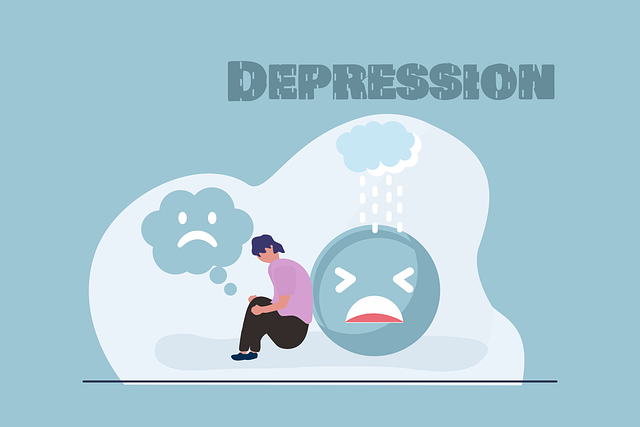
Gaslighting can have severe consequences for your mental health. Constantly questioning your own reality and feeling like you are going crazy can lead to anxiety, depression, low self-esteem, and even post-traumatic stress disorder (PTSD). It is crucial to recognize the impact emotional abuse can have on your mental health and take steps to protect yourself.
Recognizing emotional abuse Tactics in Relationships
Emotional abuse commonly occurs in relationships, whether romantic, familial, or friendships. It is important to recognize the subtle signs of gaslighting to identify if you are being manipulate. Some common tactics include:
- Constantly denying or dismissing your feelings and experiences
- Twisting the truth and making you doubt your own perception
- Blaming you for their actions or emotions
- Isolating you from friends and family
- Creating a sense of dependence on them
- Gaslighting in the Workplace: Signs and Solutions
Gaslighting is not limited to personal relationships; it can also occur in the workplace. Recognizing the signs of gaslighting in a professional setting is crucial for maintaining your mental well-being and professional growth. Some signs of emotional abuse in the workplace include:
- Taking credit for your work or ideas
- Undermining your confidence and abilities
- Manipulating your perception of your performance
- Creating a hostile or toxic work environment
- Gaslighting vs. Healthy Communication: Spotting the Difference
It is essential to differentiate between gaslighting and healthy communication in relationships. Emotional abuse is a form of manipulation, while healthy communication involves open and respectful dialogue. Here are some key differences:
| Gaslighting | Healthy Communication |
|---|---|
| Denying or dismissing your feelings | Validating your feelings and concerns |
| Twisting the truth | Being honest and transparent |
| Blaming you for their actions | Taking responsibility for their actions |
| Creating a sense of dependence | Nurturing independence and autonomy |
Steps to Overcome Gaslighting and Rebuild Your Self-Confidence

If you have identified that you are a victim of gaslighting, it is essential to take steps to overcome the manipulation and rebuild your self-confidence. Here are some steps you can take:
- Recognize and acknowledge the gaslighting behavior
- Seek support from trusted friends, family, or a therapist
- Set boundaries and assert your own reality
- Focus on self-care and rebuilding your self-esteem
- Consider ending or distancing yourself from toxic relationships
Frequently Asked Questions about Subtle Signs of Gaslighting
Q: How can I tell if I am experiencing gaslighting?
A: Gaslighting often involves subtle tactics that make you question your own reality. If you find yourself constantly doubting your memory, feeling confused or anxious, and being made to believe that you are the problem, you may be experiencing emotional abuse.
Q: Can gaslighting happen in professional settings?
A: Yes, gaslighting can occur in the workplace. It can involve undermining your confidence, taking credit for your work, and manipulating your perception of your performance. Recognizing the signs is crucial for your professional well-being.
Q: Is it possible to recover from gaslighting?
A: Yes, it is possible to recover from emotional abuse. Seeking support from trusted individuals, setting boundaries, and focusing on self-care can help you rebuild your self-confidence and regain control over your life.
Expert Advice on Subtle Signs of Gaslighting
Gaslighting is a manipulative tactic that can have devastating effects on an individual’s mental health. It is essential to recognize the signs and take steps to protect yourself. Seeking professional help from a therapist or counselor can provide you with the guidance and support you need to overcome the effects of gaslighting and rebuild your self-confidence. Remember, you deserve to be treated with respect and dignity.