



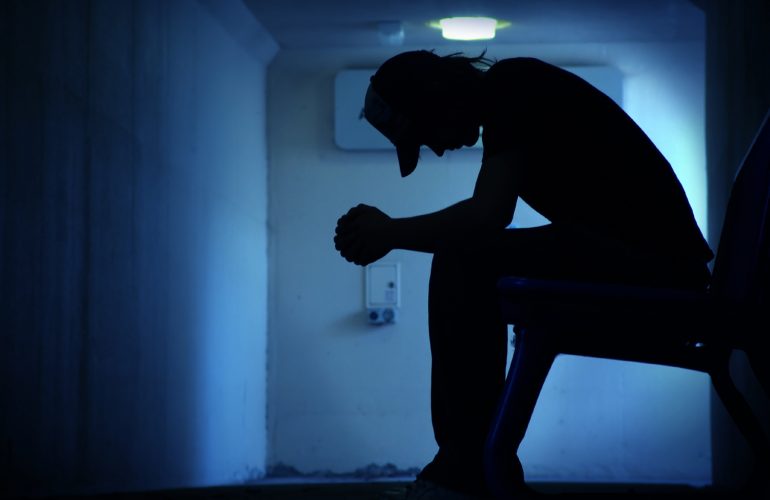


Recap of Day 1 and Day 2: Understanding Grieving for What Might Have Been
In Day 1, we began exploring a special kind of grief, the grief for the future that never came to be. This grief is about mourning the hopes, dreams, and possibilities that life did not fulfill. We spoke about how heavy and real these feelings can be, and how they touch deep parts of our hearts.
On Day 2, we looked inside to find the deeper reasons why this grief happens. We explored why our minds and hearts hold on to such pain and what makes this loss so hard to bear. To revisit those thoughts, you can read Day 1 here and Day 2 here
Below is a detailed recap that brings these ideas together to help you remember the key lessons as we move forward.
Day 1 Recap: The Heavy Feeling of Mourning Lost Potential
On Day 1, we introduced the main idea. We spoke about what it means to grieve for dreams and possibilities that never happened. This is not about grieving a person or a thing but a future that did not arrive.
We saw how this grief can feel big and weighty. The unrealized dreams are hard to say goodbye to because they held hope, meaning, and sometimes identity. It is normal to feel sadness, loss, and confusion when letting go.
We also talked about how this kind of grief can be hard to explain to others. Since people are often used to grief after death or a clear loss, the grief for what “might have been” can feel invisible and misunderstood.
Day 2 Recap: Why We Feel Grief for the Unlived Future
Day 2 took us deeper to ask why this grief happens. We looked at the root causes inside our minds that hold onto these feelings.
One reason is our strong attachment to hopes and dreams. When we invest so much emotional energy into future plans, losing them feels like losing a part of ourselves. This kind of loss breaks the connection to an expected path and makes us feel adrift.
We also learned that grief is connected to our need for meaning. When a dream fades, it can feel like life lost its meaning or purpose. This can cause confusion and sadness as we search for new reasons to keep going.
Common Thoughts and Feelings When Mourning What Could Have Been | Week 33, Day 3
When people lose a chance at a dream or see their hopes fade, the inside feelings can be hard to explain. This kind of grief is not like losing a person or something seen, it is about losing the future they imagined. The feelings and thoughts that come from this kind of loss can feel heavy and confusing. Today, we will talk about what people often think and feel when they mourn the life that didn’t happen.
Feeling Lost and Unsure

One of the first things many feel is being lost. It can seem like a part of their life is missing or that they don’t know who they are anymore. They might wonder, “What’s next?” or “Who will I be without this dream?” These questions show how much a dream shapes a person’s life. When the dream fades, so does a piece of their identity. This can make a person feel unsure and confused.
This lost feeling often comes with a deep pause in life. People might find themselves wondering if their life still has a clear direction. This pause can feel uncomfortable, but it also shows that a change is happening inside.
Wondering “What If?”
A common thought is “What if?” People play out many “what if” stories in their head. What if I had taken that chance? What if life was different? What if I tried harder or had more luck? This kind of thinking can feel like a trap. It can pull a person into the past instead of helping them live in the present.
While some “what if” thoughts can help a person learn and grow, most of the time they lead to feeling stuck or sad. It is hard for the mind to stop going over these thoughts.
These “what if” questions can come during quiet moments or when people try to sleep. They can make the day darker by pulling in feelings of regret or sadness.
Feeling Regret and Guilt
Regret is a strong feeling when grieving missed chances. People often feel like they didn’t do enough or made wrong choices. They may blame themselves for how things turned out. This guilt can be very painful and hard to carry.
When regret grows, it often feels like a heavy weight on the chest. It can slow a person down and make even small tasks feel hard.
Feeling Angry or Frustrated
Anger is another common feeling. People can feel angry at themselves, at others, or at life. They might think that things were unfair or should have been different. This anger can rise quickly and feel hard to control.
Some feel frustrated because they want to change the past but they cannot. They might also feel angry that their dreams were stopped by events they could not fix. This mix of feelings can feel like a storm inside.
Feeling Lonely and Isolated
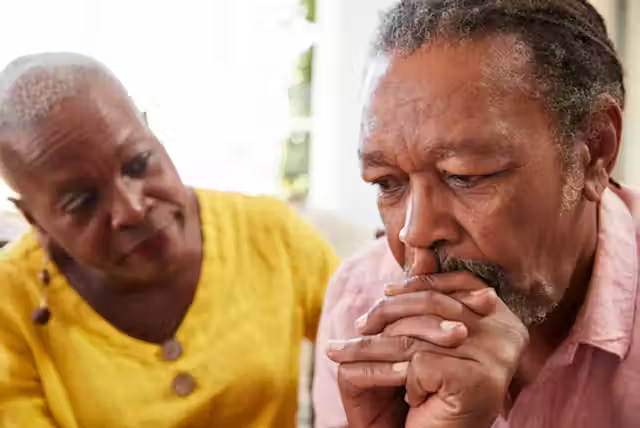
When mourning a future that never came, many feel alone. It can be hard for others to understand this kind of loss. People might say, “Just move on,” or “There are other chances,” but that doesn’t help the deep ache inside.
This feeling of not being understood can make a person pull away from friends or family. They can feel like they are carrying a heavy weight that others do not see.
Feeling Fear About the Future
The loss of dreams can also bring fear about what comes next. People may worry that they will never find joy again or that their life has no meaning. The unknown future can feel very scary after a big loss.
This fear can stop people from trying new things or moving forward. It is a struggle to believe good things will happen when sadness is strong.
Memories That Hurt and Comfort
Along with sadness, people often remember the good things about their dream. These memories can bring a kind of pain mixed with warmth. Remembering makes the loss feel real and sharp.
However, these memories can also remind people why the dream mattered. They can hold onto these moments as a way to honor what was lost.
Memories can come without warning. A song, a place, or a smell can bring back a flood of feelings. These moments ask people to feel the past again, but they can also help keep the dream alive in a new way.
Thoughts on Identity and Self-Worth
Losing a dream can make people question their value. They may feel less important or doubt their skills. The dream was part of how they saw themselves, so losing it can shake their sense of self.
This can lead to feelings of shame or low confidence. These feelings add to the struggle of moving forward.
When a person feels unsure about who they are, it can make day-to-day life harder. Work, relationships, and hobbies can all feel less interesting. This lost sense of self is part of the grief, but it can also signal a chance for new growth over time.
The Role of Emotions and Physical Body
Grief from lost dreams is not only felt in the heart and mind. It often shows in the body too. People might notice tightness in the chest, headaches, or trouble sleeping. Sometimes, people feel tired or weak without a clear cause. This fatigue is the body’s way of coping with emotional pain.
It is normal to feel these physical signs when grieving. They remind us that grief touches every part of the person, not just thoughts.
Ways to Care for Yourself During Grief
During this hard time, taking care of one’s self is very important. Simple things like eating well, walking outside, or resting can support the body and mind. It is okay to take breaks when feelings feel too strong. Doing small things that bring comfort can help soothe sadness day by day. Being patient with oneself allows space to heal without pressure.
How These Feelings Affect Us
The thoughts and feelings connected to grieving what might have been affect more than just the mind. They touch the whole person, body, heart, and spirit. People might feel tired, have trouble sleeping, or lose interest in things they once loved. These are signs that grief is deeply felt.
It is important to remember that these feelings are normal. Everyone’s pain looks different, and it is okay to feel what you feel. Healing takes time.
Final Words
Understanding the inside world of thoughts and feelings helps us know we are not alone in grief. Many people share these same struggles when mourning dreams that did not come true. It is part of being human to dream, to hurt, and to hope again.
Tomorrow, we will talk about the ways this grief shows up in our outside lives and how it can change the world around us. For now, know that your feelings are real, and it is okay to take time to work through them.