




Tomorrow will be the first day after this series. It may look much like any other day. What does living with grief look like when the person you miss is still part of your life, even as new people and places enter it?
A relationship does not have to become a lesson.
“What has this taught you?” someone asks. You can leave the question unanswered. A person was part of your life, not an assignment set for you after their death.
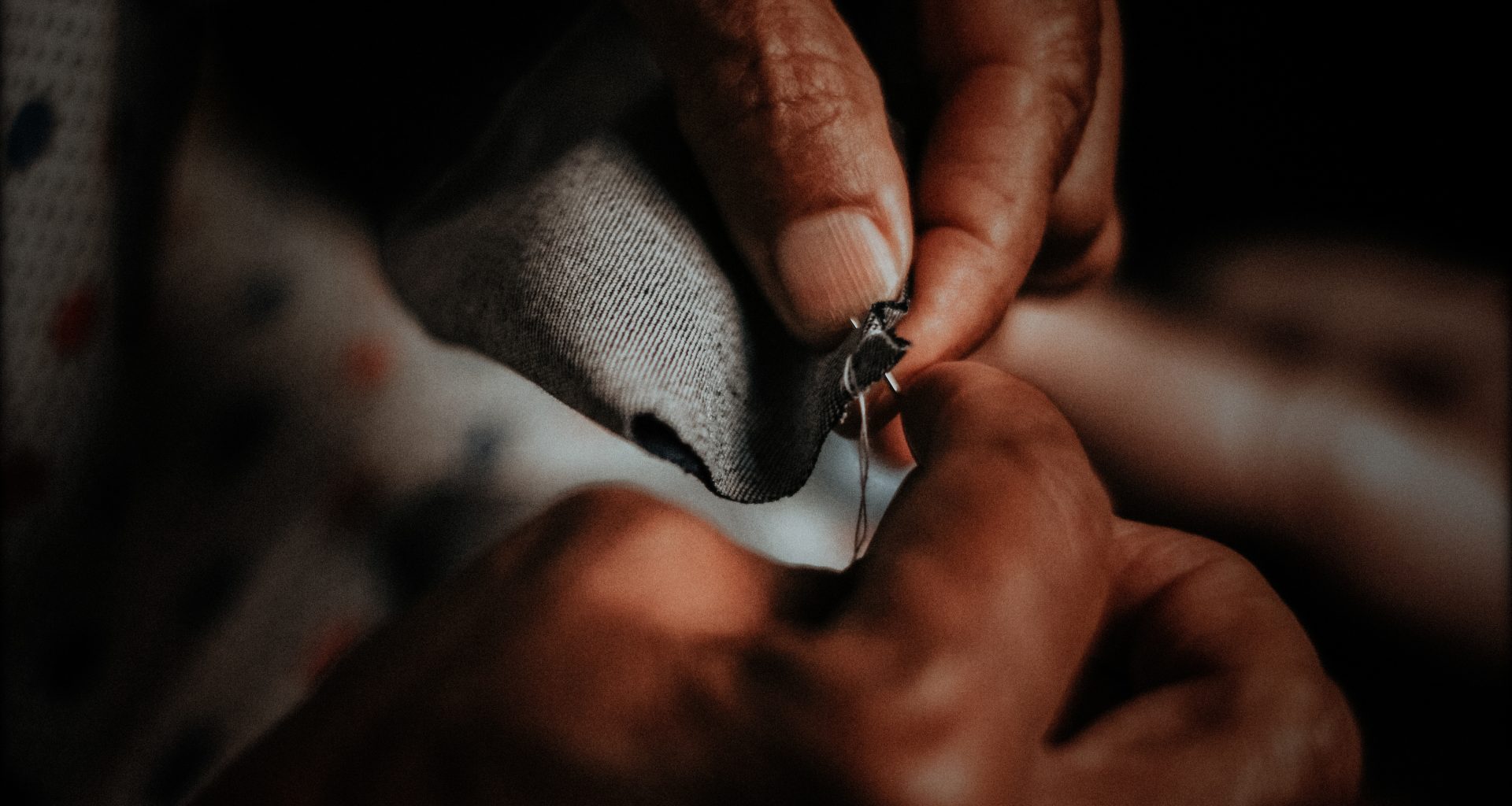
At the door of the new office, the button they sewed onto their coat is still there. Their grandfather taught them how to do that at the kitchen table years ago, and he never knew about this job. They smooth the coat and go in.
If sewing is difficult or impossible, someone else can fix the button. Asking for help does not make the memory less yours.
On another day, a remembered piece of advice might help you decide. You can take it seriously and still choose differently. In a difficult relationship, affection and boundaries may both have a place. Love may not be the word you would choose.
The American Psychological Association uses the term continuing bond for an emotional connection that remains after a person has died. Living with grief does not require that connection, and its place in a person’s life can change.
The future can hold unfamiliar things.
You meet someone you want to know better. At an ordinary moment, you wish the person who died could hear about them. The wish can sit beside the conversation you are having now.
As that new relationship grows, it will acquire its own history. You can speak about the person you lost when it matters to you, while allowing the person beside you to be themselves.
A life larger than its ending
After a death, questions about how it happened can take up a great deal of space. They may need attention, but they are not the whole account of a person’s life. If you want to speak about them, there’s room for what they cared about, the choices they made, and the ordinary ways they spent their time.
Make room for the whole story.
Your account doesn’t have to be simple. You can be grateful for something someone has given you and angry about something they’ve done. Even while protecting yourself from bad behavior, you can acknowledge affection or loss. You can hold a complex truth without defending it to everyone.
The authors of a systematic review found that people can experience continuing bonds in different ways. Some studies described comfort, while the authors noted the evidence’s complexity. You do not need an ongoing connection to grieve in a particular way.
A child’s questions can change over time. Listen to what they ask and answer in words they can understand. It is all right to return to the conversation another day.
Some conversations never got finished. A question, a thank-you, or a boundary may still be on your mind. You can write the words down, speak them to someone you trust, or keep them private. Nothing requires an answer now, and no one has to forgive a person who hurt them.
Living with grief after this week
You don’t need to feel finished just because this series has reached its last article. A friend, a local bereavement organization, or a qualified health professional can all provide support at any point. If a relationship or a memory is causing you distress, then finding someone who will listen and not necessarily have to offer you a solution is a good place to start.
If you’re in any immediate danger or at risk of harming yourself, then contact emergency services or a trusted person who can stay with you and help you to get the appropriate assistance. A child or young person can tell a trusted adult straight away.
Thank you for spending part of this week with us. Tomorrow will ask for ordinary things again. If a name, a story or a skill comes with you into that day, it belongs there. So does the life you are still making.
The Healing Series will return daily on January 1.
A stitch in the coat
AVERSTANCE
Your hands once guided my own
I button it up