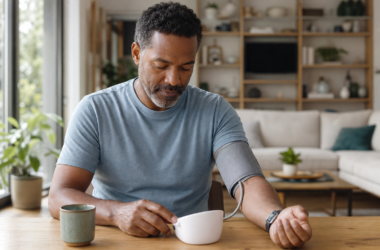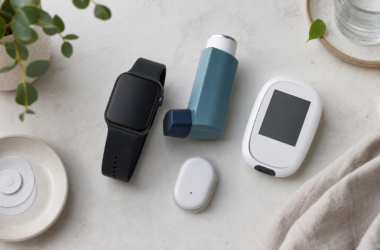



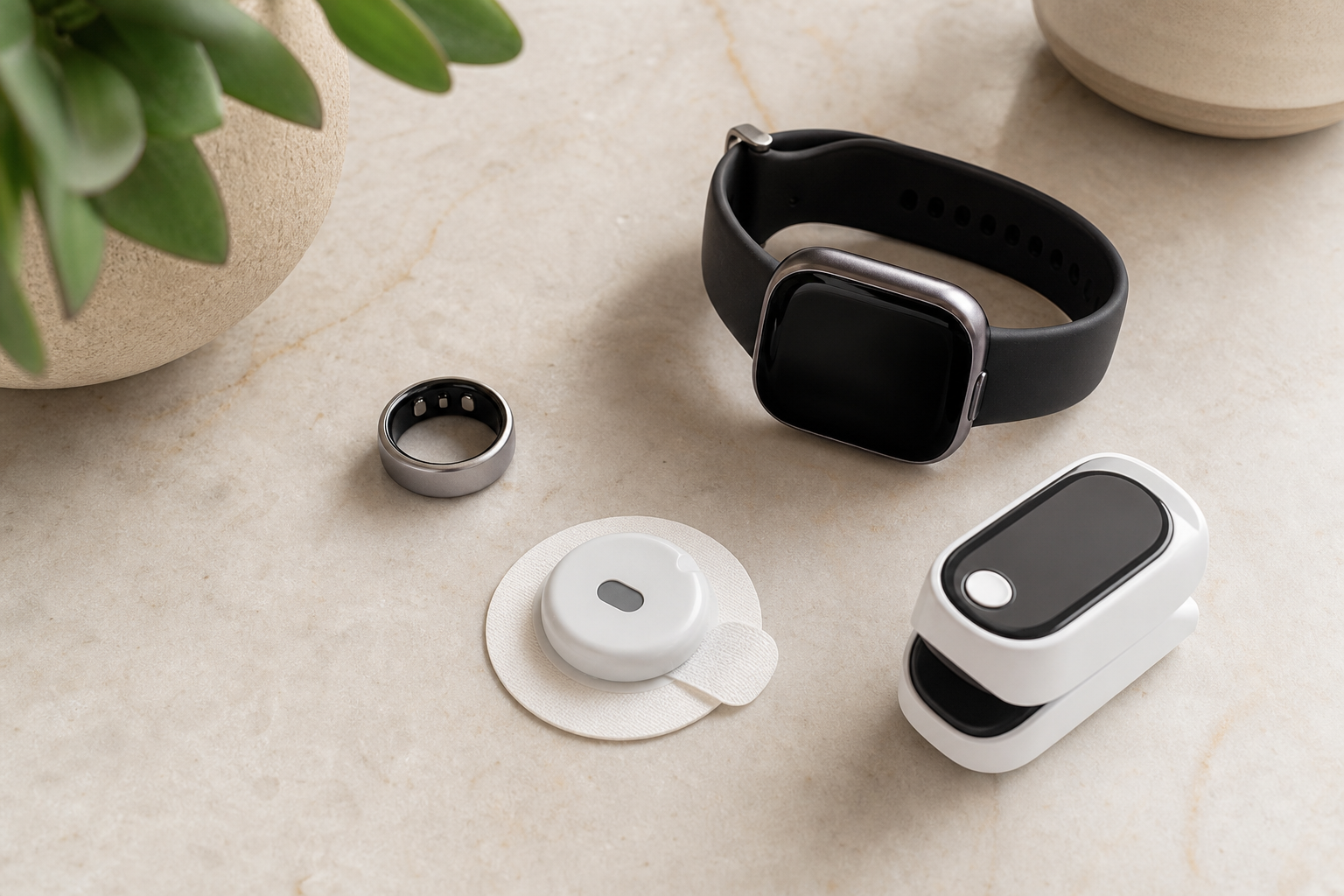


Health wearable is an evolving technology. Simple fitness bands were used to count the number of steps according to the majority of people several years ago. Smart watches and health trackers have evolved to accomplish many things now. They are able to monitor the heartbeat, sleep patterns, blood oxygen, stress, and even alert on the onset of fatal conditions. Through these tools, people are able to monitor their health on a day-to-day basis without visiting a physician.
Firms are developing more useful wearables providing health information. They also attempt to make the devices comfortable, small, and user-friendly. There are now people who want more functions out of their devices than mere showing time or counting steps. Consequently, new products are emerging that dwell on heart health, mental health, blood sugar, and even women’s health.
Smarter Heart Monitoring
It is already known to the majority of people that heart rate can be measured using smartwatches. But now, they are also able to detect heart conditions such as atrial fibrillation. It is at this point that the heart beats irregularly. This might not seem bad initially but it may result to stroke otherwise. Apple Watch and Fitbit Sense devices are able to perform ECG tests. These are used to test the rhythm of the heart, and they alert when they detect anything wrong.
According to the CDC, in 2022, it is estimated that approximately 12 million Americans will develop atrial fibrillation by the year 2030. Thus, the availability of a wearable that is able to detect early symptoms can provide people with the ability to act quicker.
Additionally, there are watches that examine the intensity of the functioning of your heart, along with sleeping, exercise, and rest periods. They do not only indicate beats per minute but rather use patterns to determine whether your heart is healthy or not.
Better Sleep Tracking
Many people feel tired during the day but don’t know why. Wearables now give detailed sleep reports. They track how long you sleep, how often you wake up, and if you get deep rest. Devices like Oura Ring and Whoop give users sleep scores and tips.
The Oura Ring, for example, uses sensors that check skin temperature, heart rate, and movement to find sleep patterns. It gives scores that help users improve bedtime habits. A study by the Sleep Foundation says up to 70 million Americans have sleep problems, which makes tools like this even more useful.
Blood Oxygen and Breathing
Some new wearables check blood oxygen. This helps people with breathing problems like asthma or sleep apnea. Smartwatches like Garmin Venu and Apple Watch Series 9 measure how much oxygen your blood carries. If the number drops, users get alerts.
This is also useful during high altitude trips or workouts. Even people without known health problems can use it to see if they breathe well during the night.
Blood Sugar Tracking (Non-Invasive)
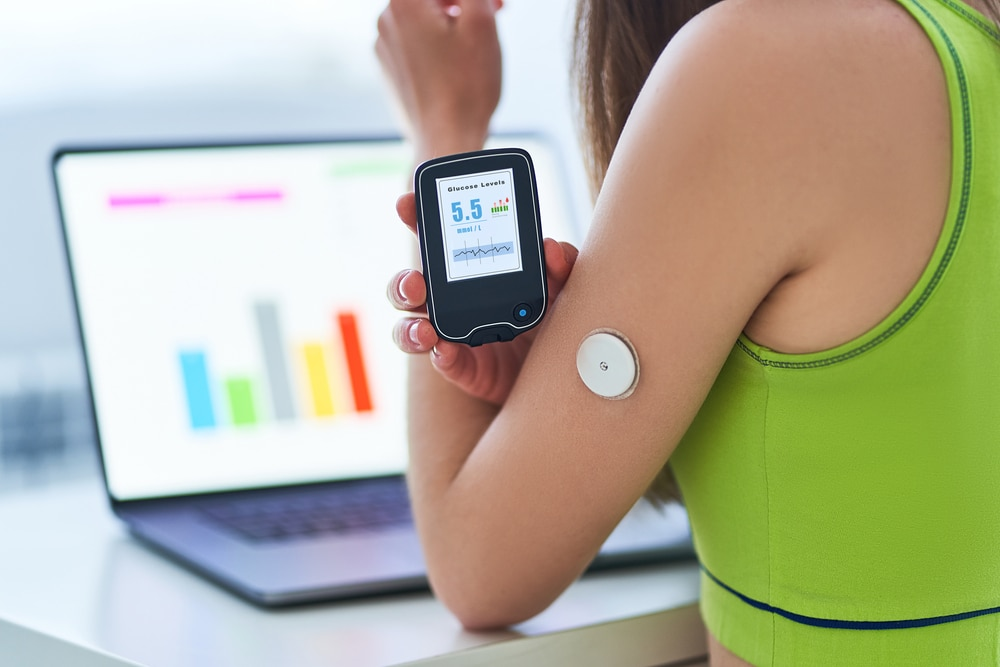
One of the biggest changes coming soon is checking blood sugar without using a needle. Right now, people with diabetes use finger pricks or sensors under the skin. But companies are working on ways to check glucose through the skin using light sensors.
Rockley Photonics, a tech company, has worked with Apple on sensors that may one day track blood sugar, body hydration, and even blood pressure from a watch. While these are still being tested, they could help the over 37 million Americans with diabetes, according to the CDC.
Stress and Mental Health Checks
Mental health is getting more attention now, and wearables are starting to track stress levels. Devices like Fitbit Charge 6 and Garmin watches check heart rate changes and skin temperature. These give clues about how stressed or calm a person is.
Some wearables also suggest breathing exercises or short breaks when stress gets too high. A 2023 report by the American Psychological Association showed that around 75 percent of adults felt stressed in the past month. That makes these features important, even if they are not medical tools.
Women’s Health Features
Some smartwatches and rings now offer features for women’s health. They track menstrual cycles and give predictions for ovulation and fertility windows. This is helpful for those who are planning or avoiding pregnancy, or just want to know how their body changes.
For example, Apple and Garmin devices allow users to log symptoms like cramps or mood swings. Some even track skin temperature changes, which can suggest when ovulation is likely.
Sensors Are Smaller and Smarter
As devices get better, their sensors also become smaller and more exact. Companies are adding more sensors into small spaces, like earbuds or rings. This makes it easier for people to wear them all day.
For instance, smart rings like Ultrahuman and Oura now offer full health tracking with just a tiny device on your finger. These can even check your heart rate, sleep, temperature, and activity level all at once. Users get full reports in their app, without wearing bulky gear.
AI Makes Data More Useful
All this health data means nothing if users don’t understand it. So, many wearables now use AI to study patterns. These tools tell users what’s normal and what’s not. They can say things like, “You slept less than usual for 3 nights,” or “Your resting heart rate is higher today.”
Apps from Fitbit, Garmin, and Apple use this data to offer health tips. They don’t just collect numbers. They show people what to do with that info. For example, Fitbit Premium gives daily “readiness” scores that suggest if users should rest or train hard that day.
Wearables Are Now Part of Regular Health
Doctors are also starting to look at wearable data. Some health systems link smartwatch data to medical records. This can help doctors track patients without making them come to the clinic. Some insurance plans even give discounts to users who wear fitness trackers and stay active.
According to Deloitte’s 2023 Health Tech report, about 45 percent of US consumers now use wearables, and most say the devices help them stay healthier. This shows that wearable health tools are not just a trend. People use them in real ways every day.
Final Thoughts
Wearable technology for health has grown from counting steps to tracking deep body signals. It now helps people understand their heart, sleep, stress, and more. As more features are added, these tools can help people stay well without making big changes to their routine.
Top of Form
Bottom of Form